
When most people imagine a renovation or new build, they focus on the exciting decisions like cabinet colors, countertops, furniture, and paint selections. While those choices certainly shape the look of your home, they are only part of what makes a space truly successful.
The difference between a home that simply looks good and one that functions beautifully often comes down to the details people don’t think about until it’s too late.
We believe thoughtful design happens long before furniture arrives or paint goes on the walls. We spend countless hours planning the details that impact how you live in your home every day. Here are ten important design elements that homeowners frequently overlook and why they matter more than you might think.
1. Outlet Placement
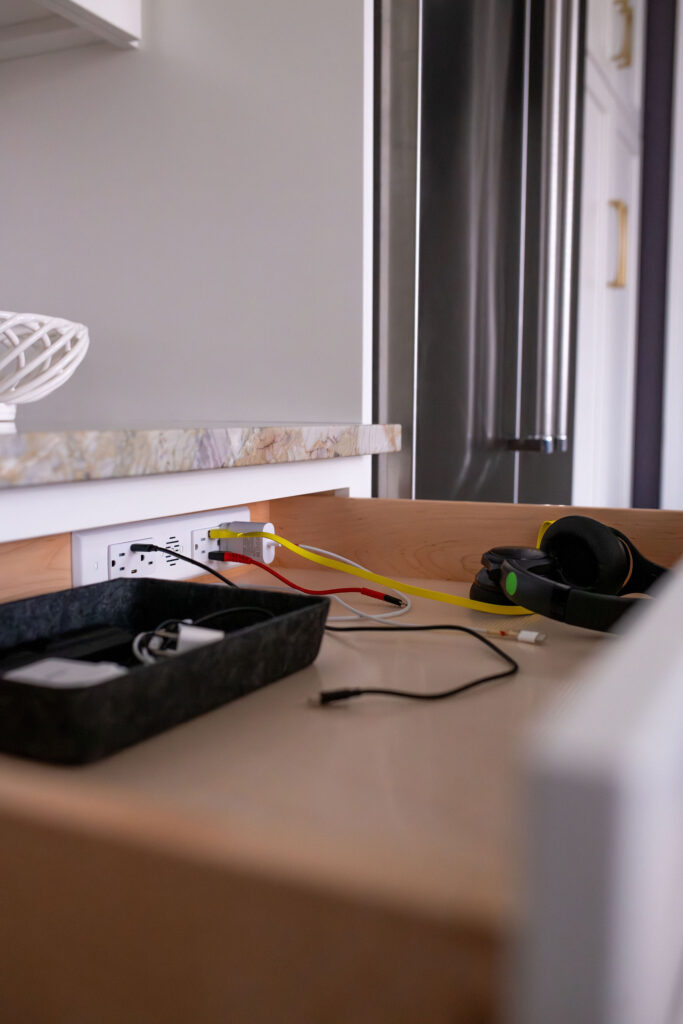
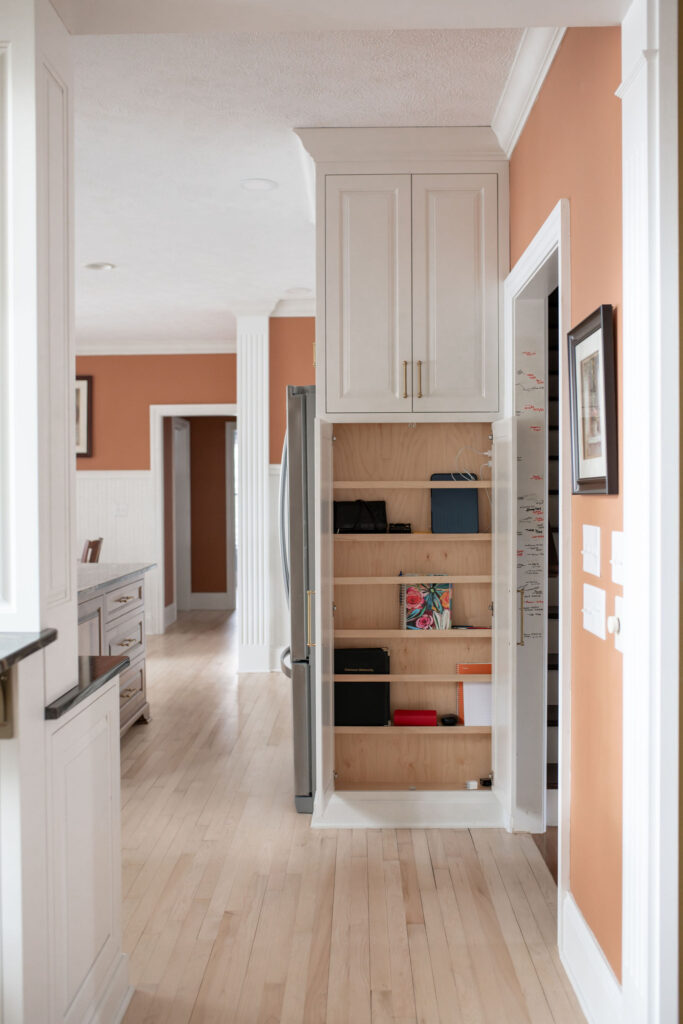
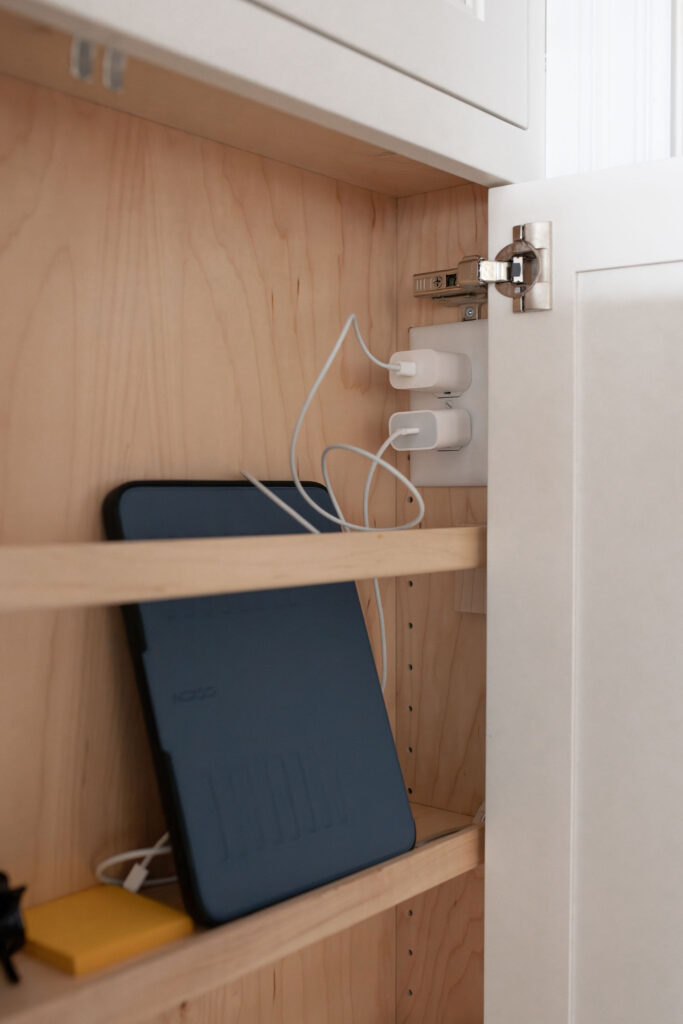
Most homeowners don’t think about electrical outlets until they’re staring at cords draped across countertops or extension cords running across a room.
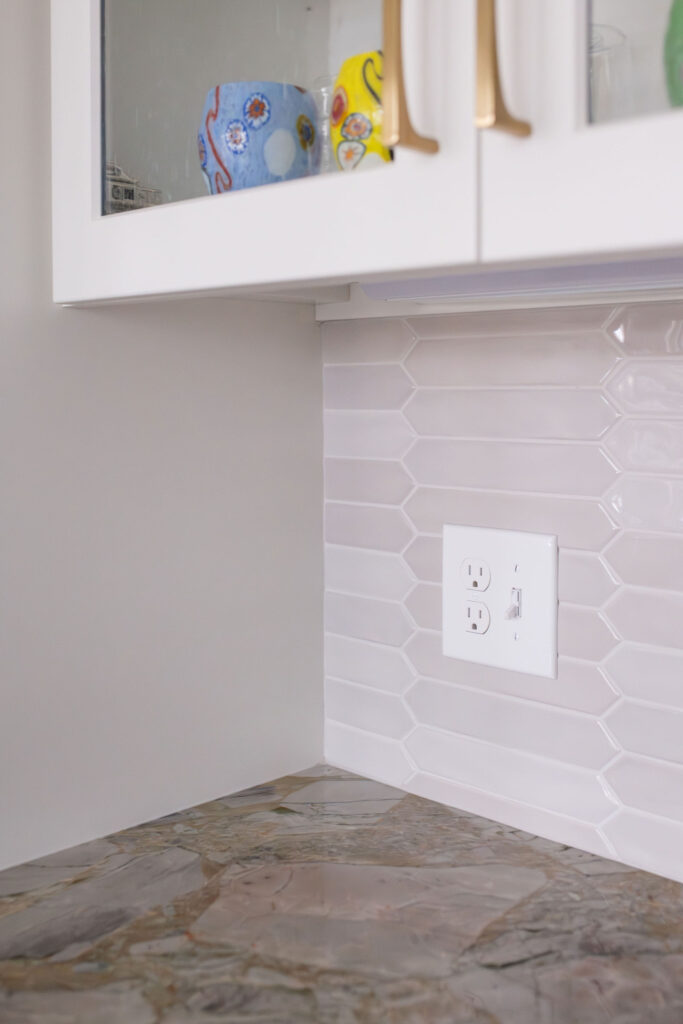
Strategic outlet placement affects everything from kitchen appliances and coffee stations to bedside charging, holiday decorating, and furniture layouts. We consider how each space will function before construction begins, ensuring outlets are exactly where they’re needed and hidden when possible.
The result? A cleaner, more functional home that works with your lifestyle.
2. Hardware Placement
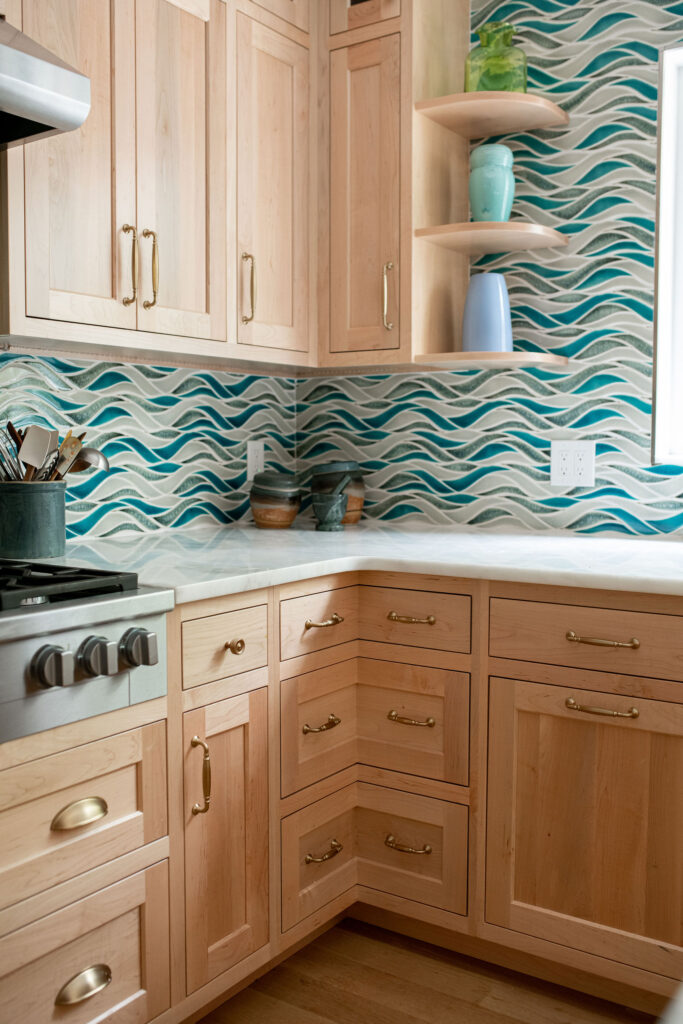
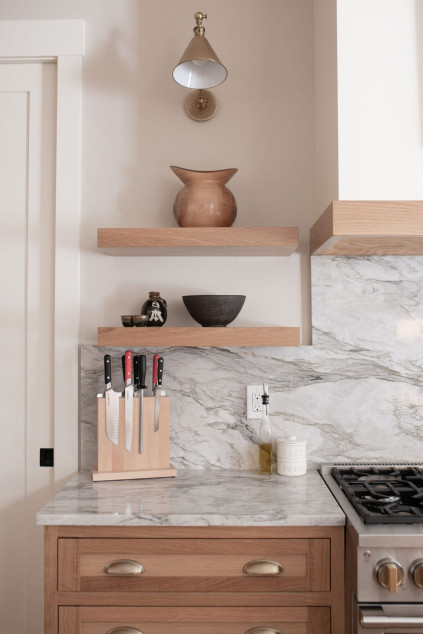
Cabinet hardware seems simple until it’s installed.
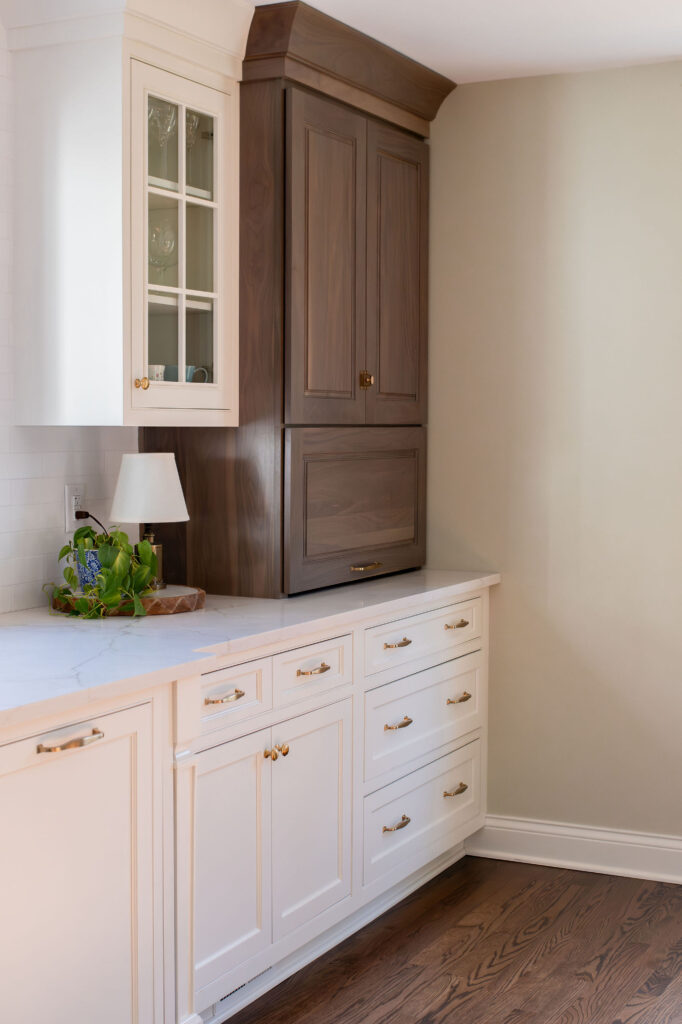
The placement of knobs and pulls dramatically affects both the appearance and functionality of cabinetry. Hardware that’s installed too high, too low, or inconsistently can make even beautiful cabinetry feel unfinished.
Designers carefully determine placement based on cabinet style, door size, drawer proportions, and overall aesthetics to create a polished, cohesive look throughout the space.
3. Grout Color
Many homeowners spend weeks selecting tile and only a few seconds choosing grout.
Yet grout color can completely change the final look of a tile installation.
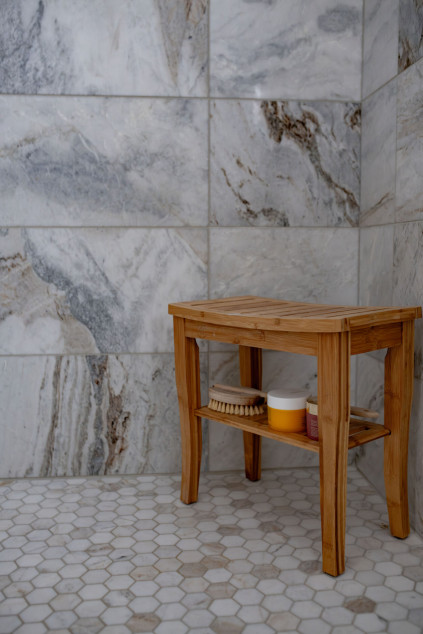
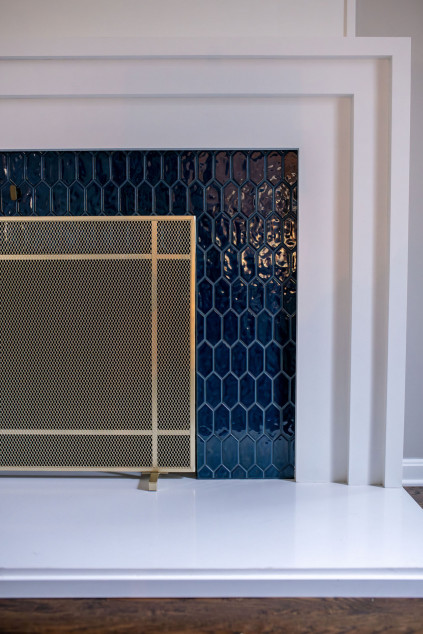
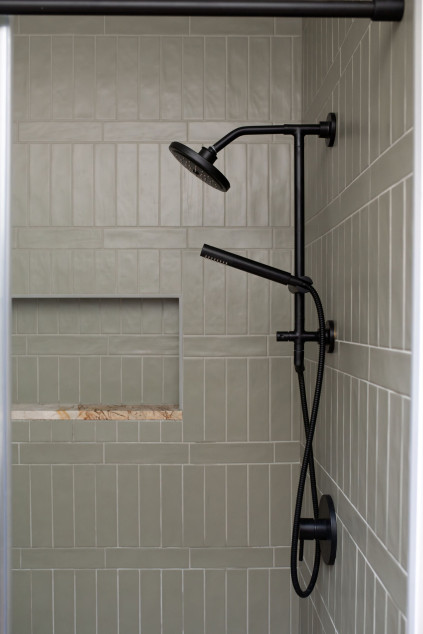
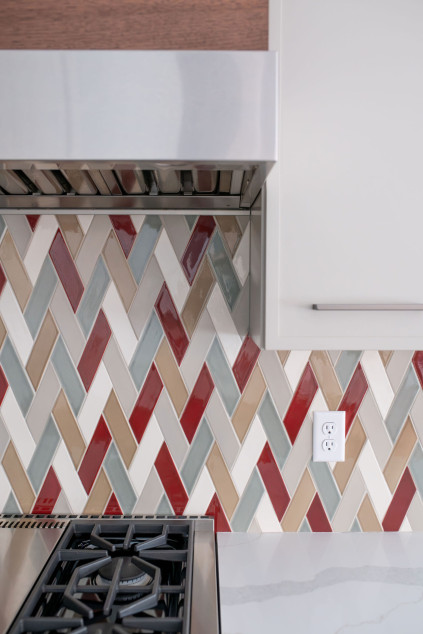
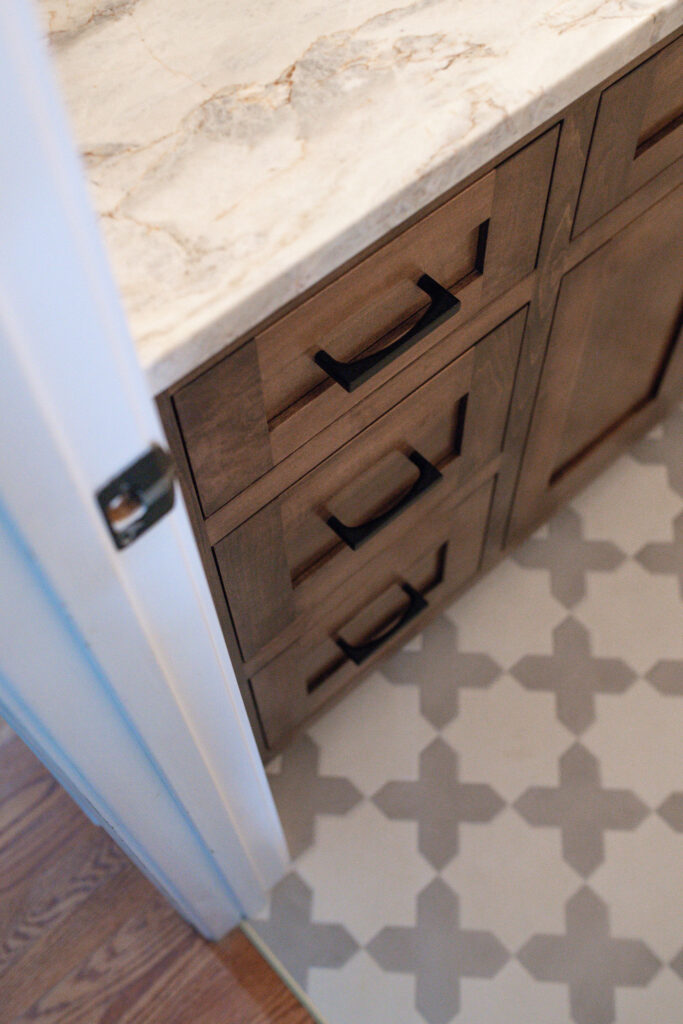
A contrasting grout can highlight a pattern and create visual interest, while a coordinating grout creates a more seamless appearance. The wrong choice can make a beautiful tile feel busy, dated, or difficult to maintain.
We always evaluate grout alongside tile selections to ensure the finished installation achieves the intended design effect.
4. Tile Layout
Selecting a tile is only half the decision.
How the tile is installed often has just as much impact as the tile itself.
Tile layout determines where cuts occur, how patterns align, and whether the installation feels balanced. A poorly planned layout can result in awkward slivers of tile, uneven transitions, and a less professional appearance.
Before installation begins, we create detailed plans that ensure every tile application feels intentional and well-executed.
5. Lighting Placement
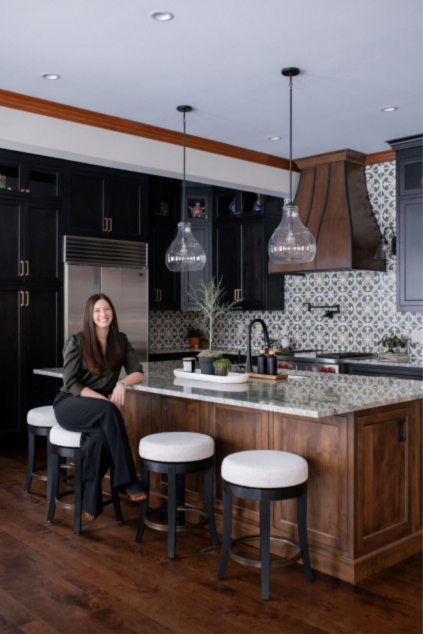
Lighting is one of the most powerful elements in a home and one of the easiest to get wrong.
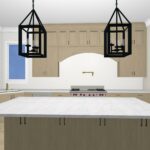
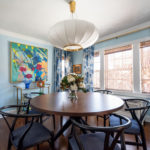
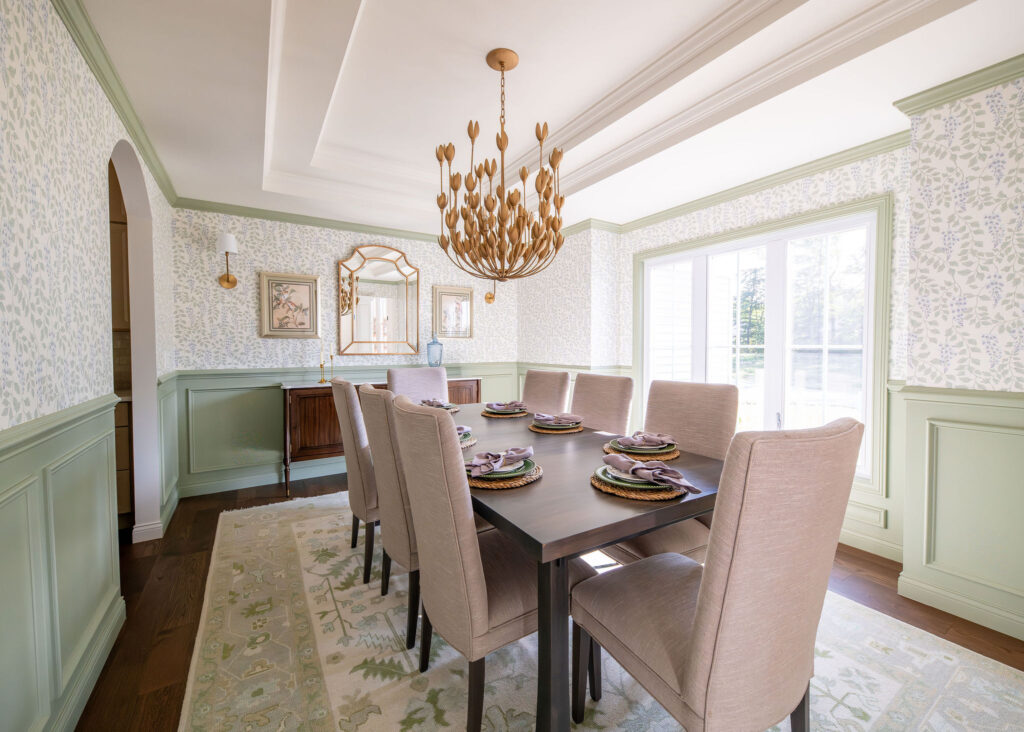
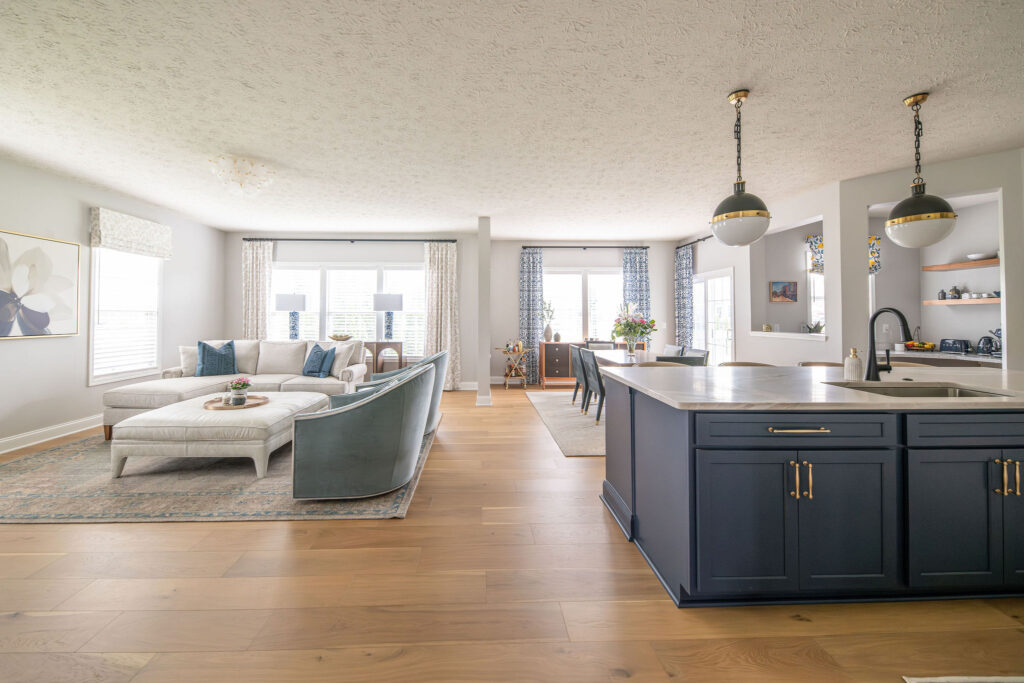
Pendant lights over an island, sconces beside a mirror, recessed lighting in a kitchen, and chandeliers over dining tables all require precise placement.
Too often, lighting ends up off-center, improperly spaced, or poorly scaled because it wasn’t planned alongside cabinetry, furniture, and architecture.
Thoughtful lighting placement enhances both function and aesthetics while helping each room feel balanced and inviting.
6. Window Treatments in the Kitchen
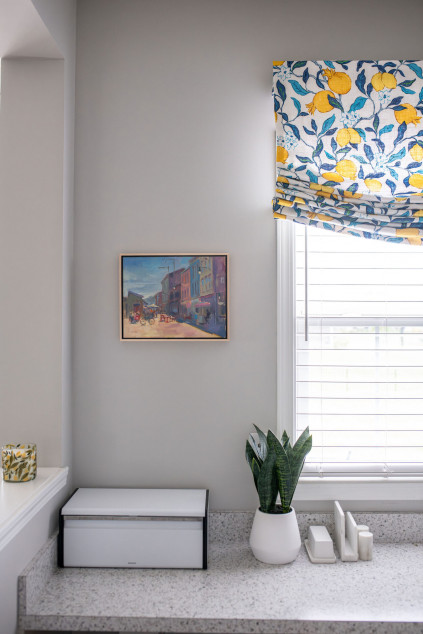
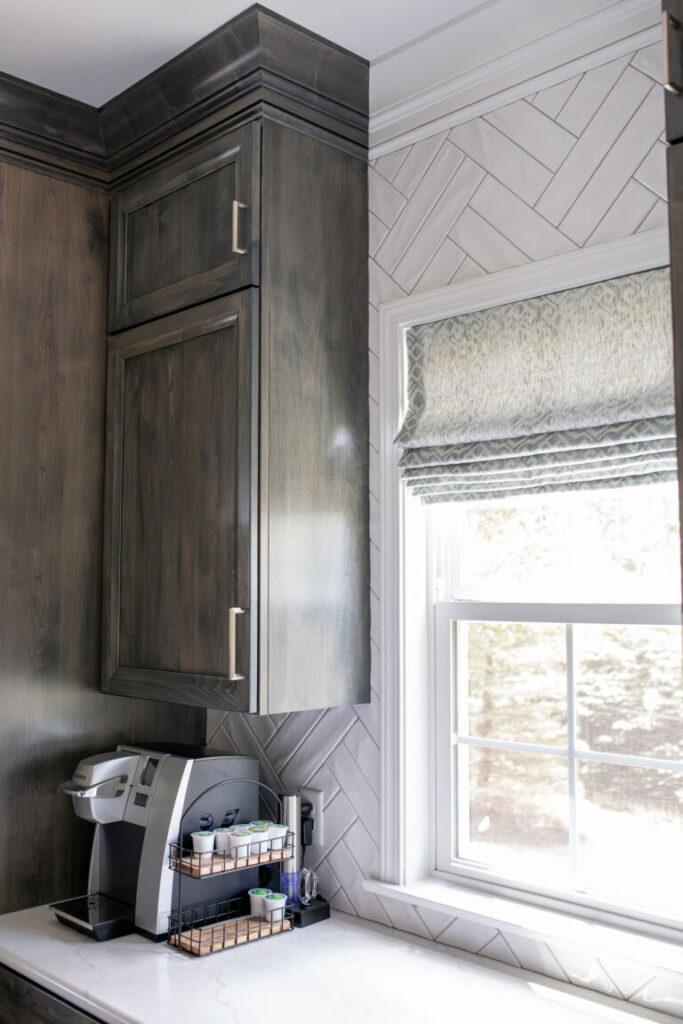
Window treatments are often treated as an afterthought, especially in kitchens.
However, privacy, light control, and softness are important in every room of the home—including spaces filled with hard surfaces like cabinetry, countertops, and tile.
The right window treatments can soften a kitchen, add texture, frame beautiful views, and create a more finished appearance.
Planning for window treatments early allows us to coordinate mounting heights, trim details, and overall design seamlessly.
7. Existing Furniture That Doesn’t Fit the New Design
Many homeowners assume their existing furniture will automatically work in a renovated space.
Sometimes it does. Often it doesn’t.
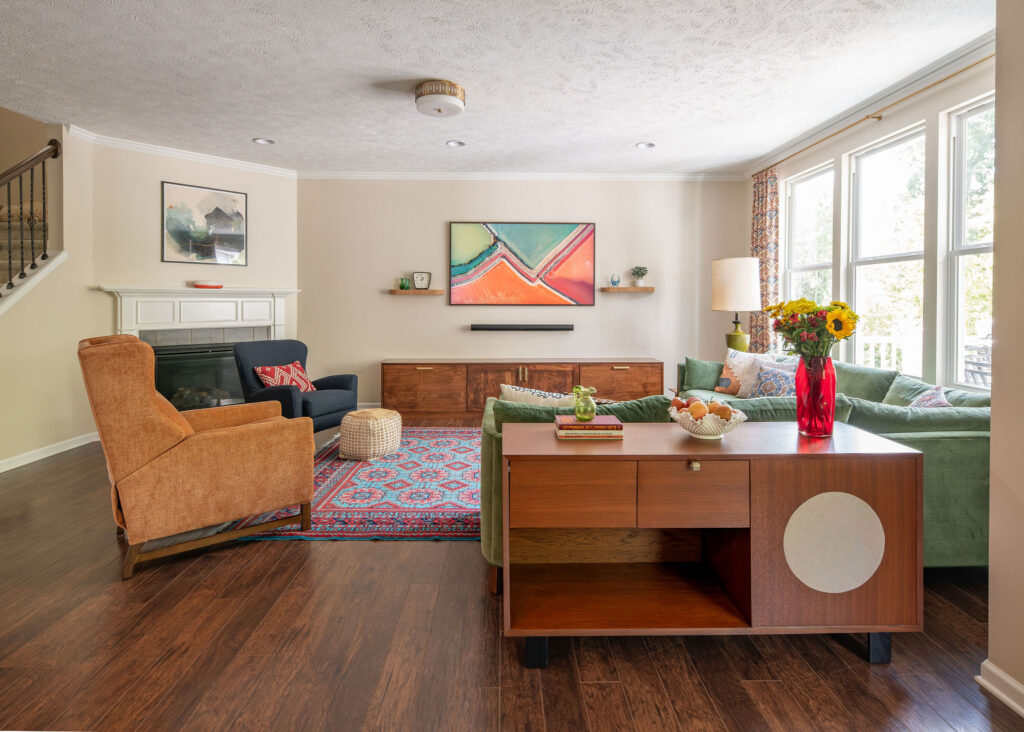
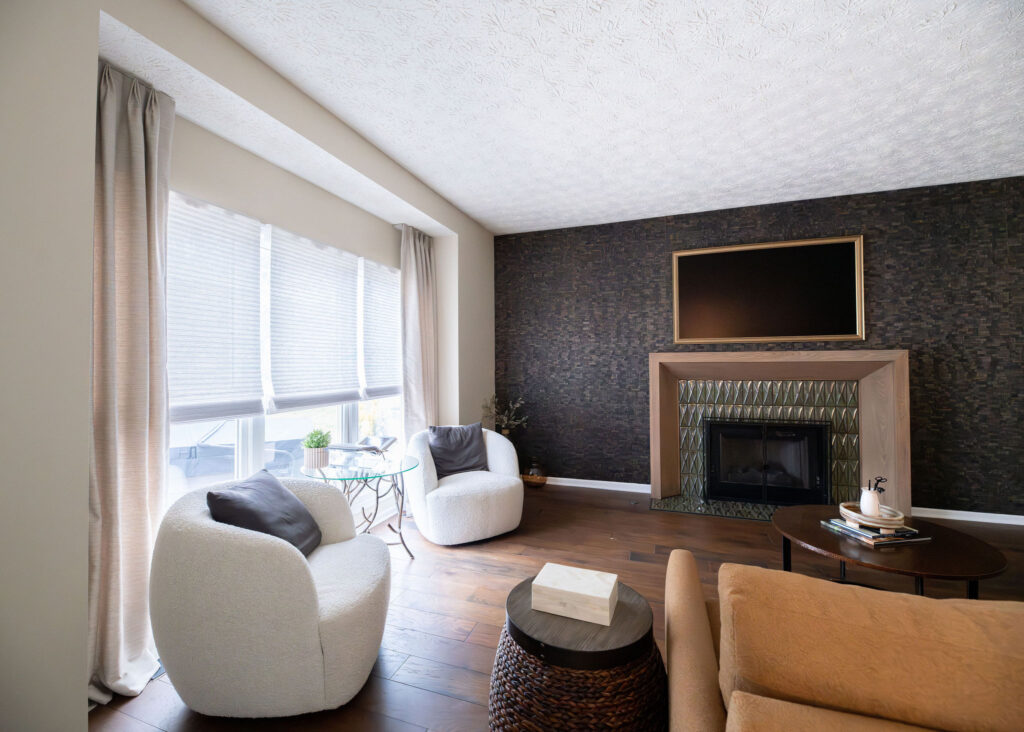
A new kitchen, living room, or whole-home renovation can completely change the style, scale, and feel of a space. Furniture that looked appropriate before may suddenly feel too traditional, too modern, too small, or oversized.
As designers, we evaluate existing pieces early in the process and help clients determine what should stay, what can be updated, and what may need replacing to achieve the overall vision.
8. Crown Molding
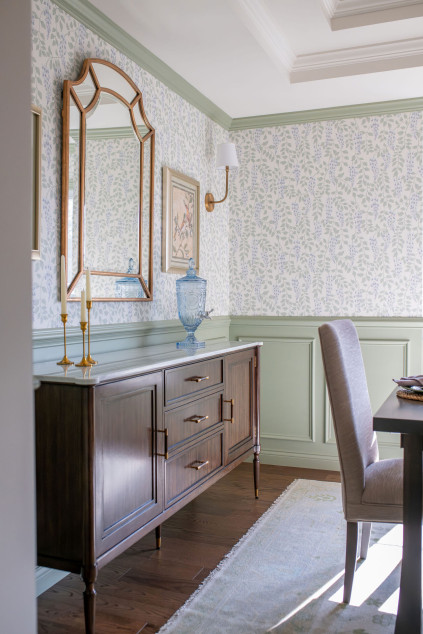
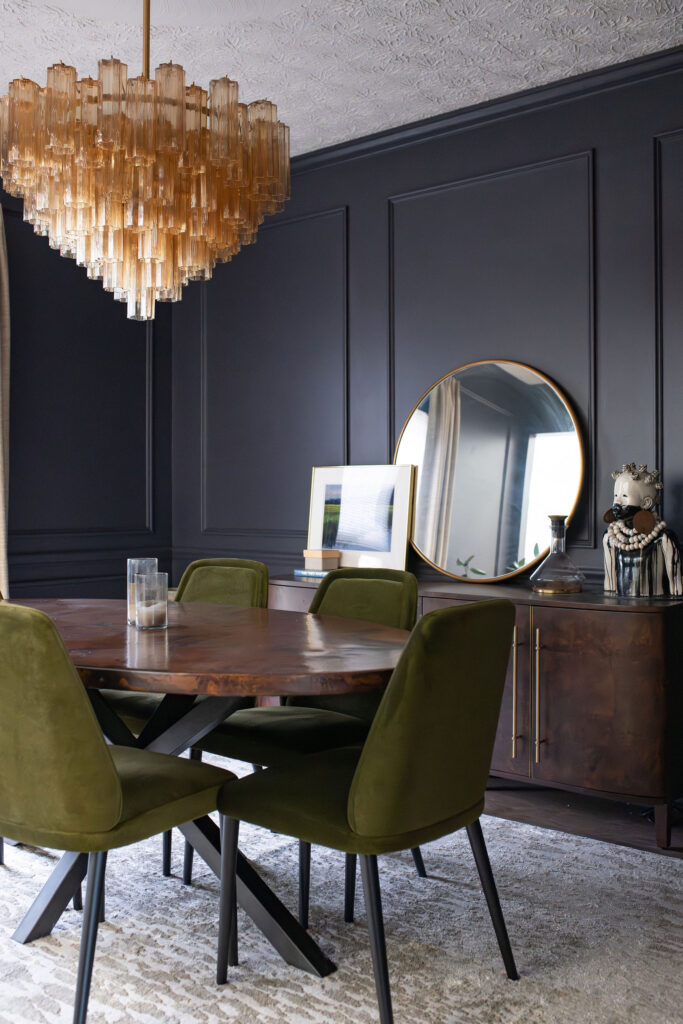
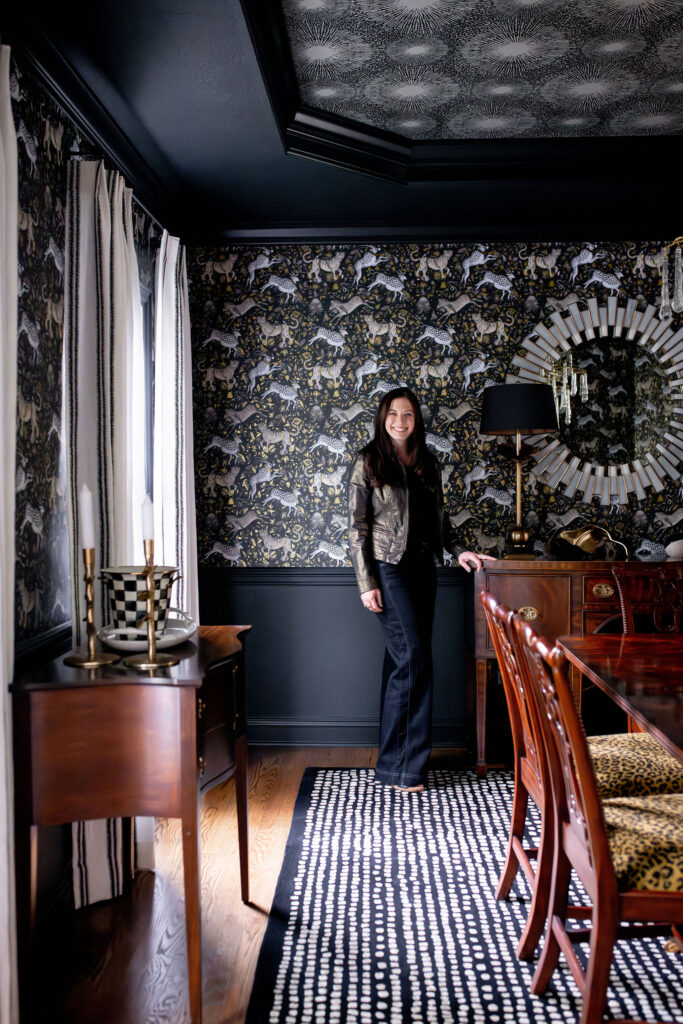
Crown molding may seem like a small architectural detail, but it has a significant impact on the finished appearance of a home.
The style, size, and placement of crown molding help establish the character of a space. Whether your home is traditional, transitional, or modern, selecting the right molding profile contributes to a more custom and elevated look.
Without thoughtful consideration, trim details can feel disconnected from the home’s architecture.
9. Baseboards
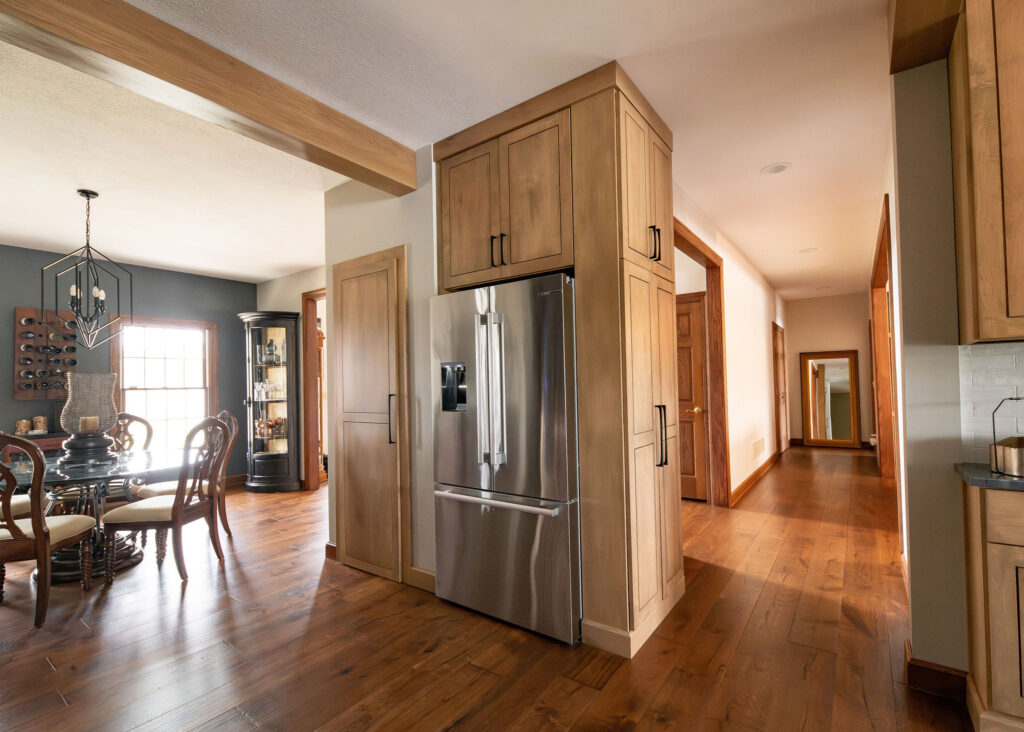
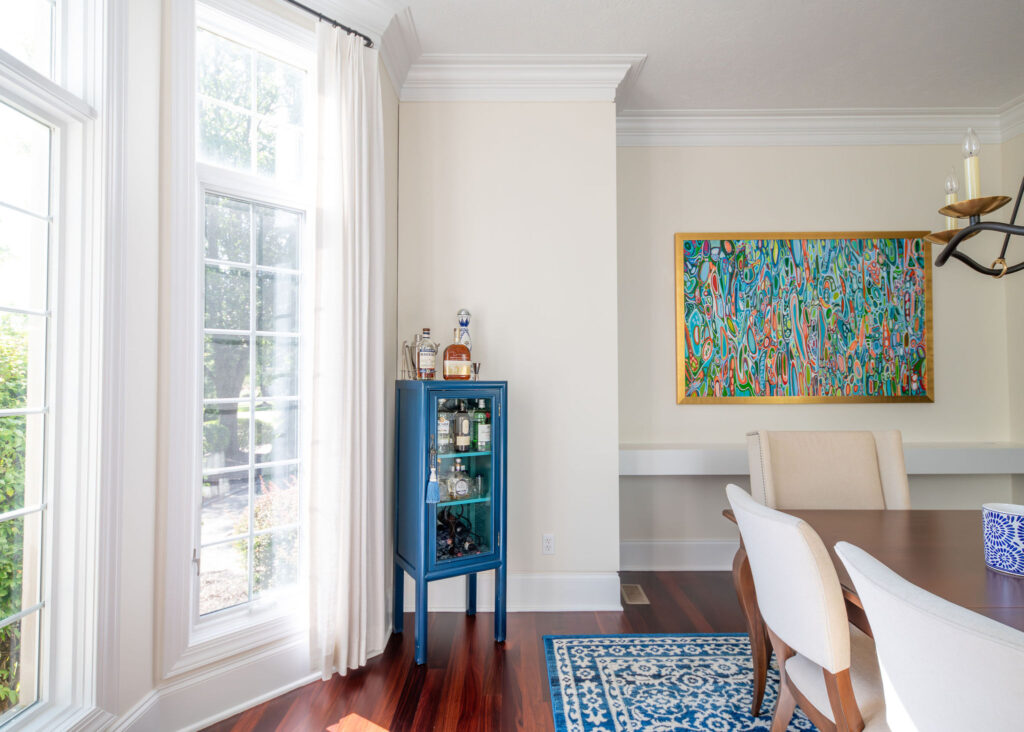
Baseboards often receive little attention during the design process, yet they play a major role in creating a finished appearance.
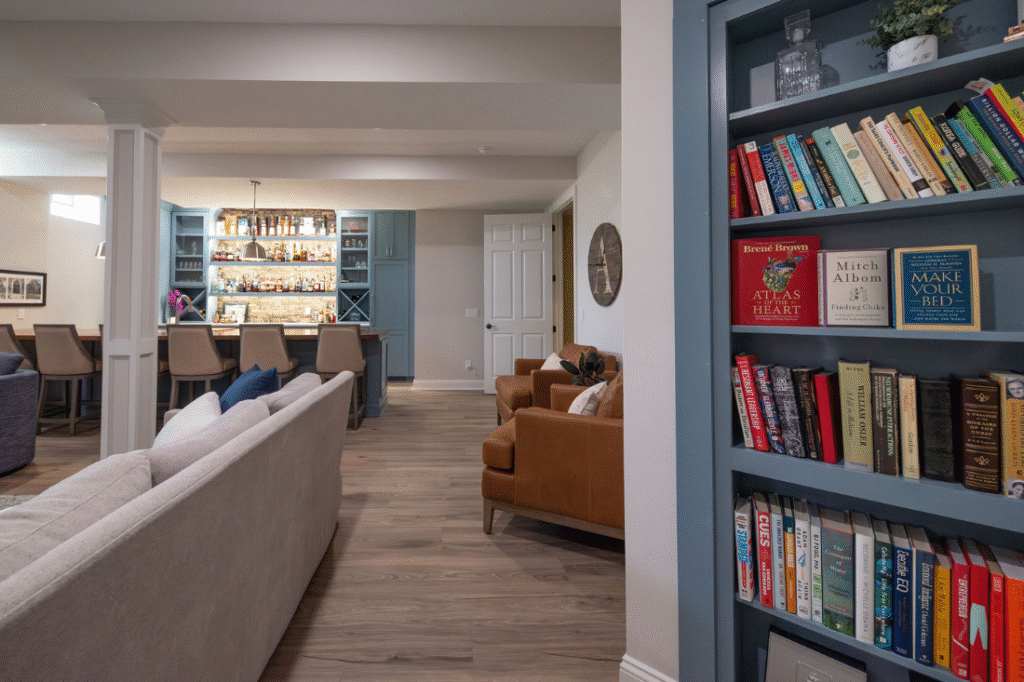
The height, profile, and consistency of baseboards throughout a home influence how custom and cohesive the space feels.
Upgrading baseboards can dramatically elevate a renovation and create stronger architectural continuity between rooms.
It’s one of those details people don’t notice when it’s done well but they definitely notice when it isn’t.
10. Faucet Placement
A faucet seems straightforward until you realize how many decisions affect its placement.
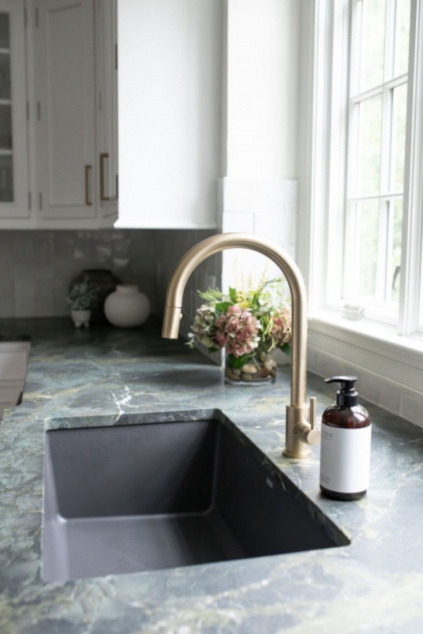
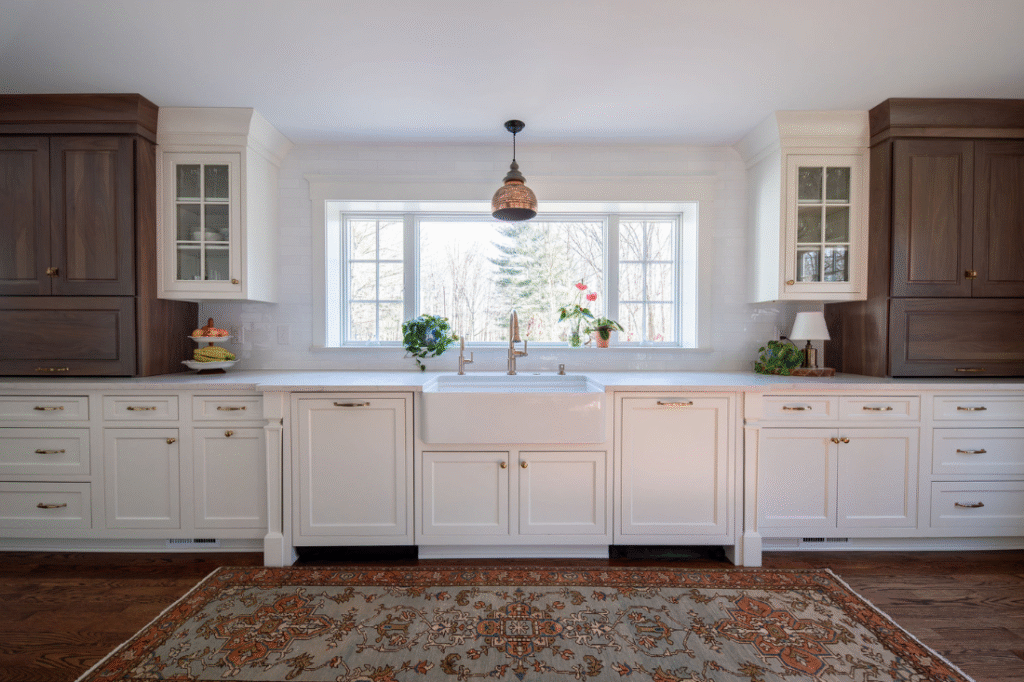
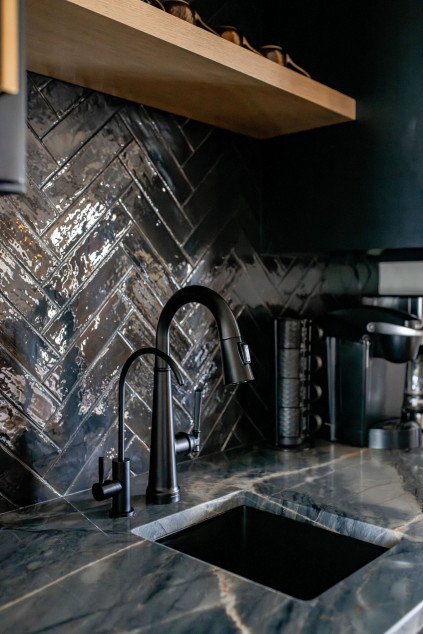
Kitchen faucets need to align properly with sinks, windows, cabinetry, and accessories. Bathroom faucets must coordinate with sink sizes, mirror placement, lighting, and countertop layouts.
Improper placement can create functional frustrations and visual imbalance.
By planning plumbing locations alongside every other design element, we ensure each fixture looks intentional and performs beautifully.
Great Design Lives in the Details
The most successful homes aren’t created through a series of individual selections. They’re created through thoughtful planning, coordination, and attention to hundreds of details that most people never realize are happening behind the scenes.
That’s where an interior designer brings tremendous value.
We don’t just help clients select beautiful finishes, we help them avoid costly mistakes, improve functionality, and create homes that feel cohesive from the moment construction begins to the day they move in.
Because great design isn’t just about what you see.
It’s about all the details you never have to worry about.
Want a designers help on your next project? Set up a Discovery Call with Lindsey!