
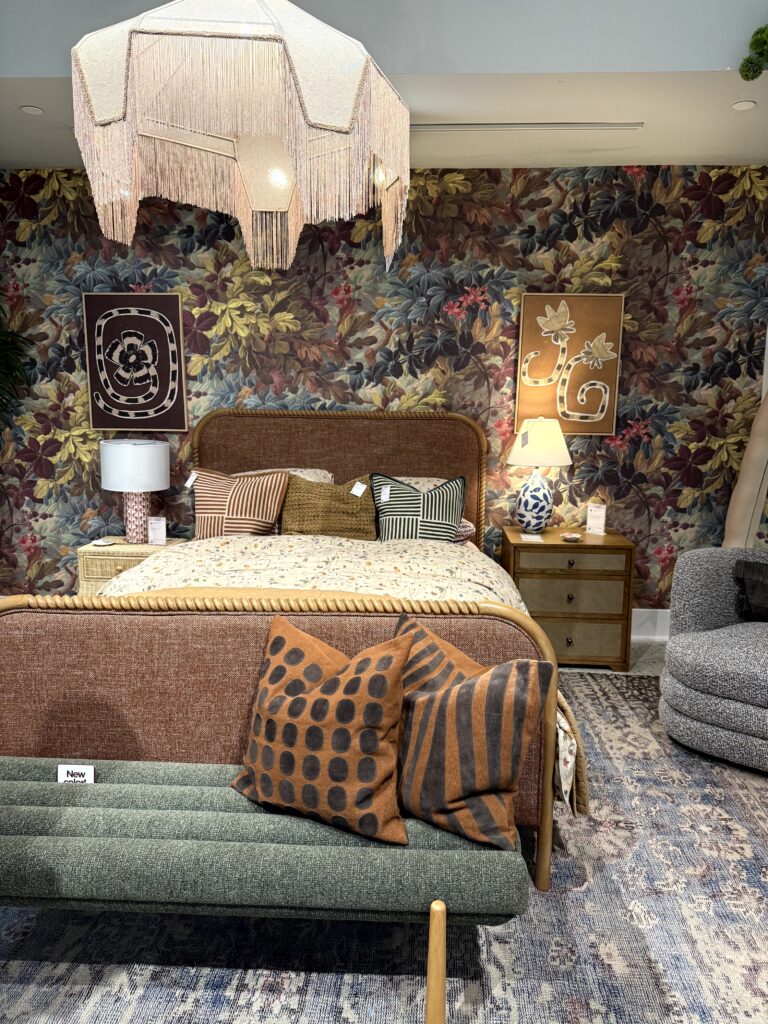
At the latest High Point Market, one detail kept catching my eye across showrooms: fringe. But not the overly bohemian, overly themed fringe you might remember from years past. This resurgence feels intentional, tailored, and elevated. It’s showing up in ways that add movement, softness, and a layer of quiet luxury to a space.
A Fresh Take on Texture
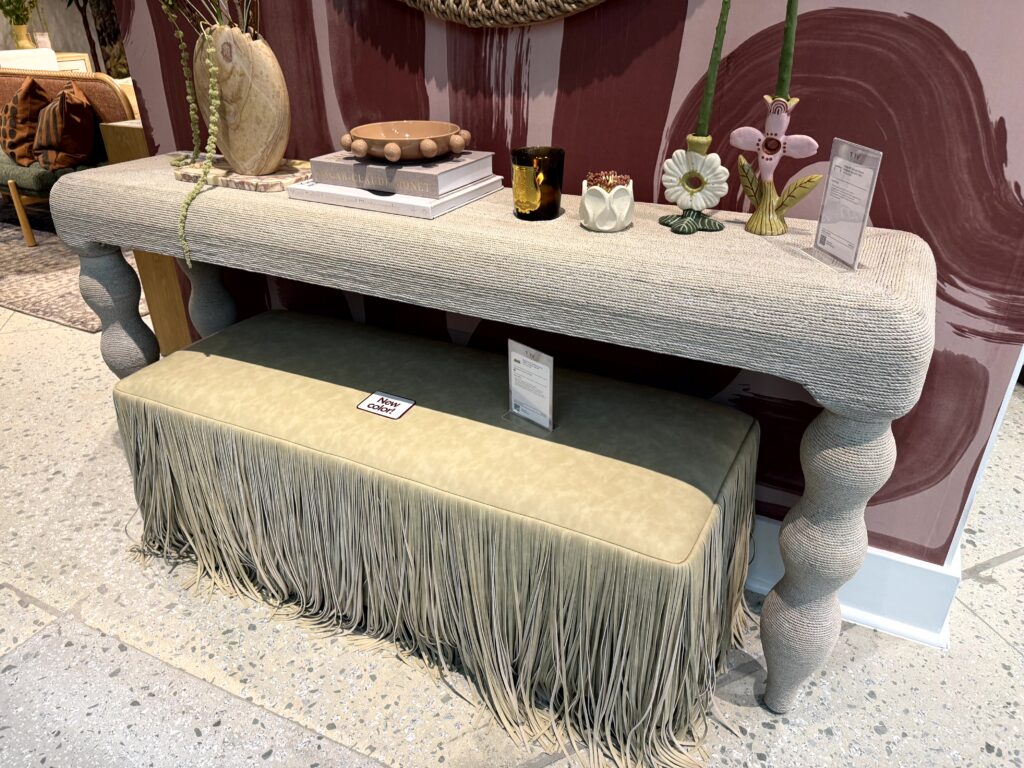
Fringe is being reimagined as a textural detail rather than a statement gimmick. Designers are using it to soften hard edges, create visual rhythm, and introduce a sense of craftsmanship. Think of it less as decoration, and more as a finishing detail that completes a piece.
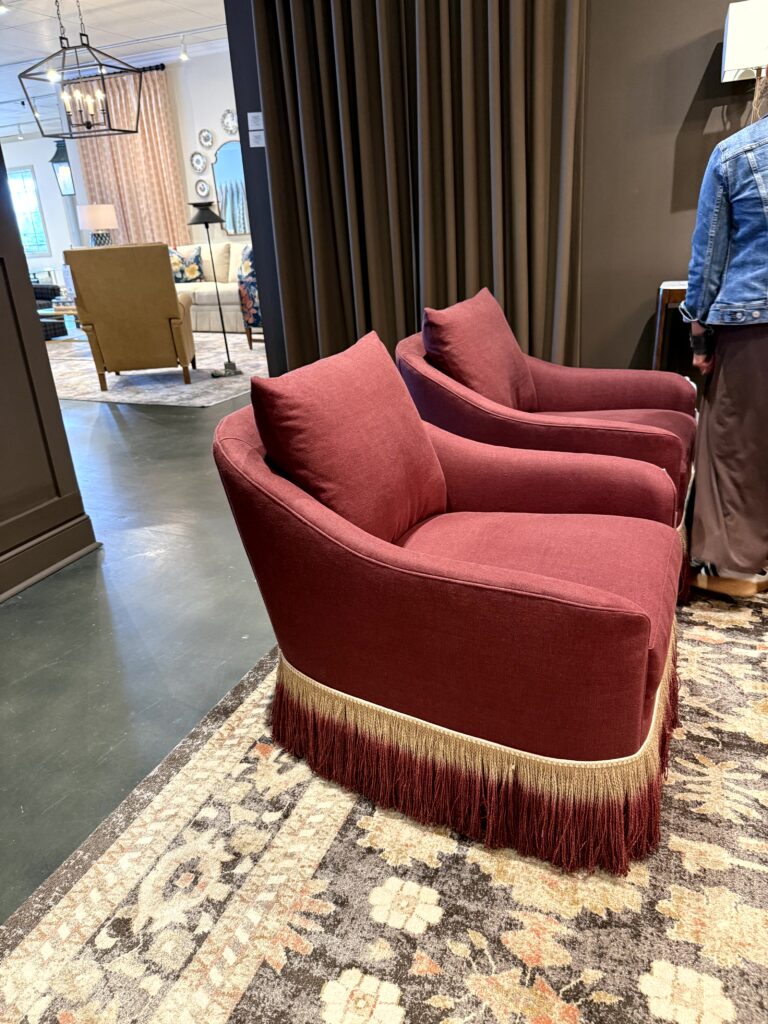
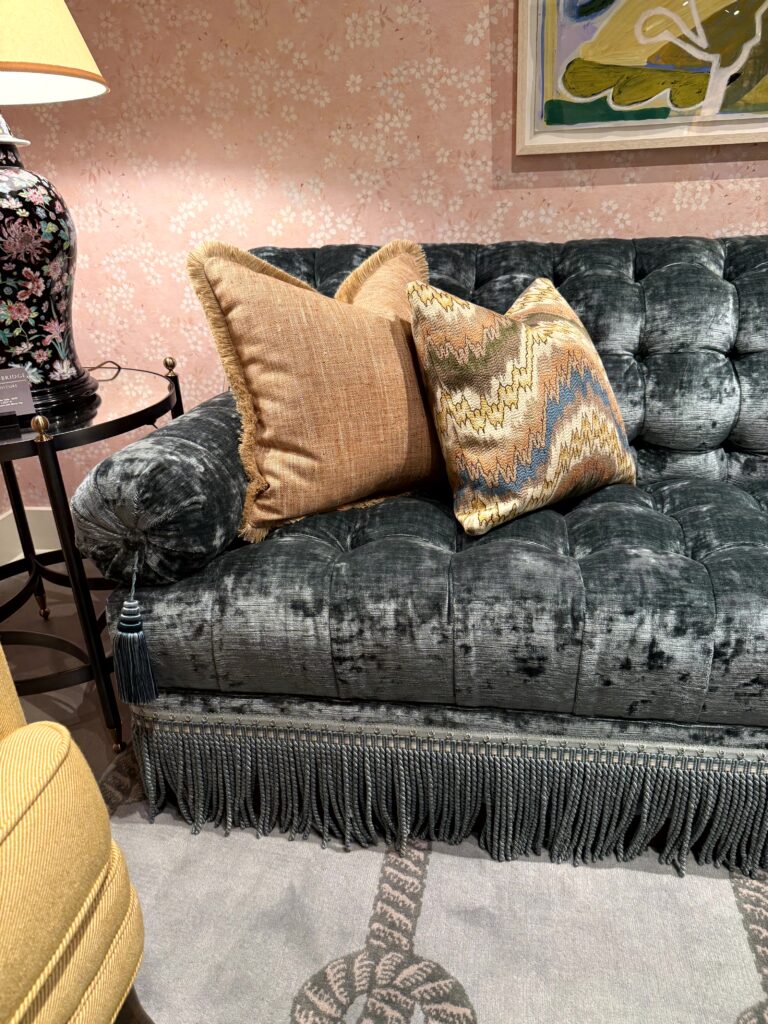
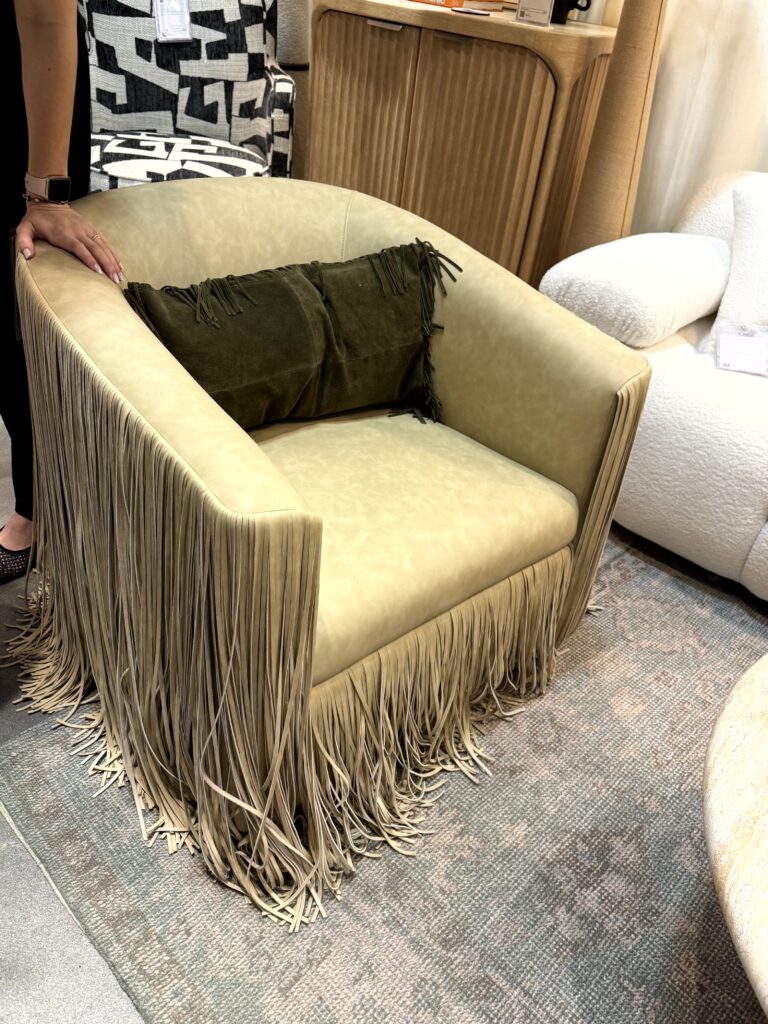
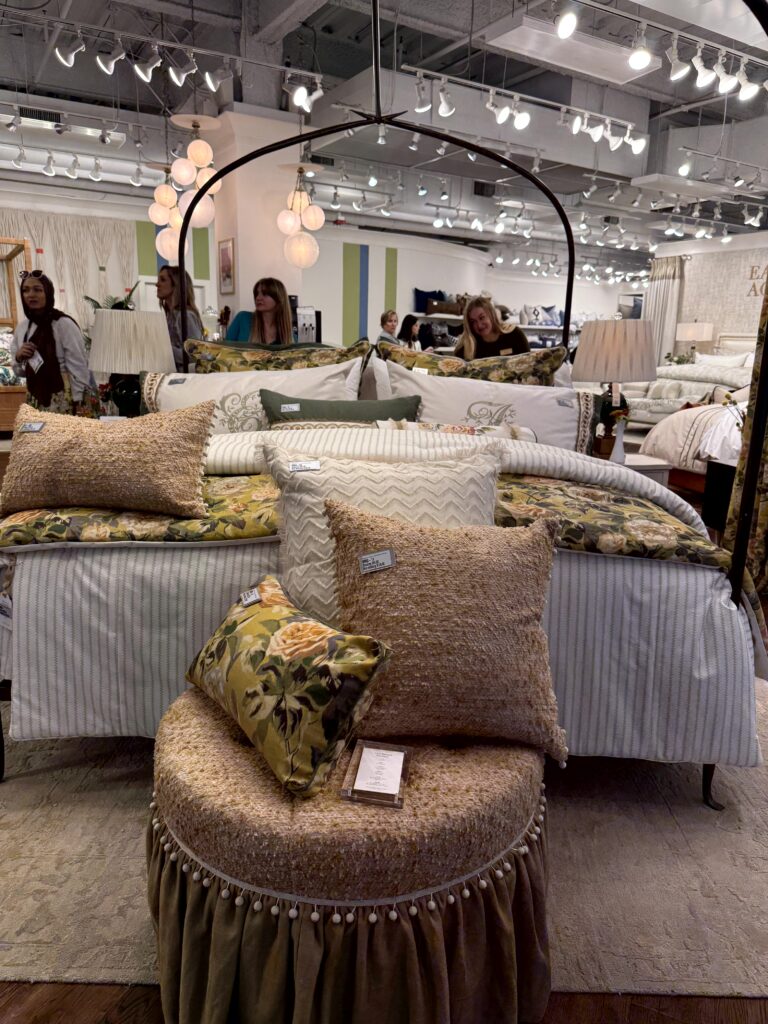
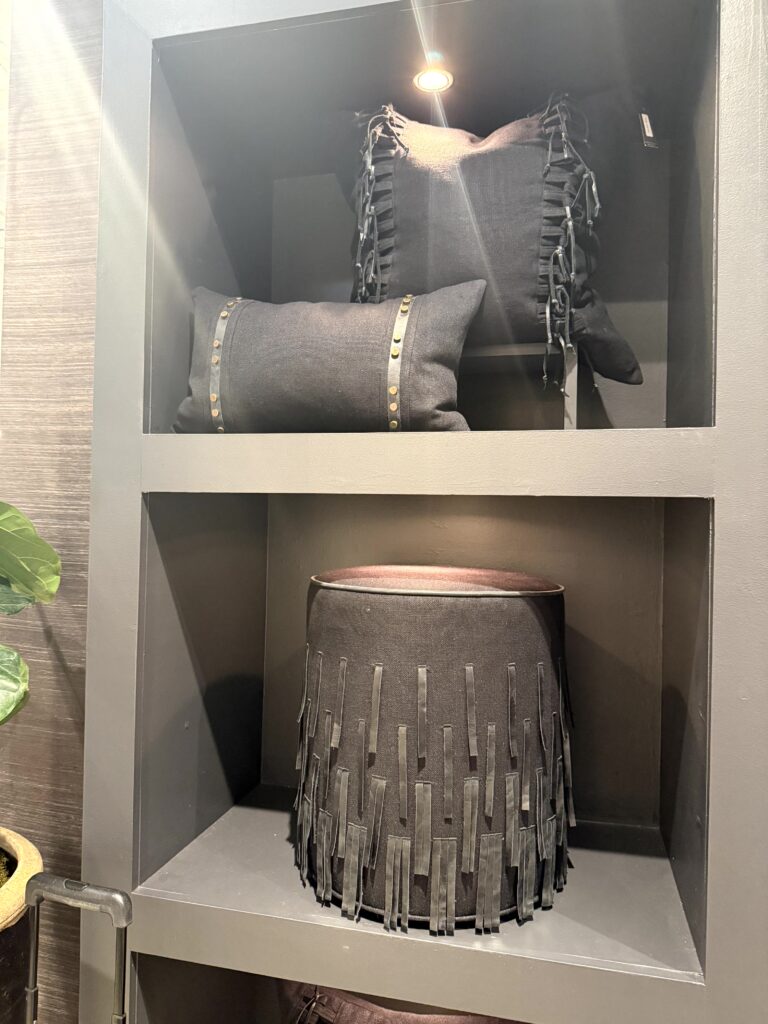
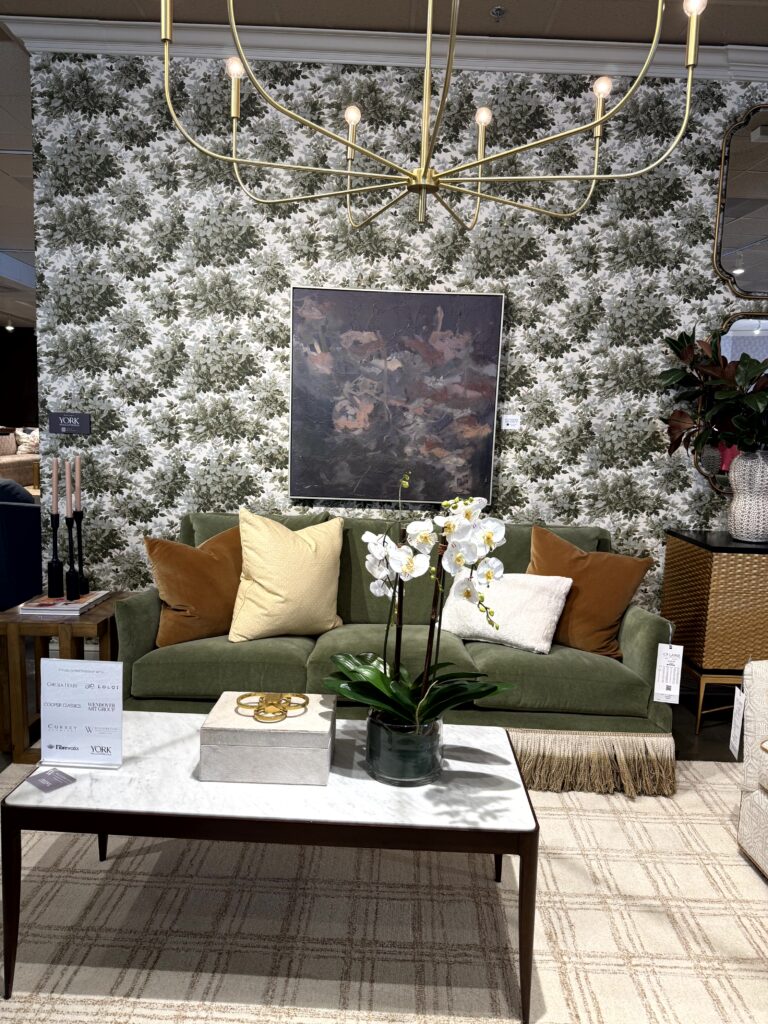
On sofas and chairs, fringe is often applied along the base or arms, adding subtle movement that makes even structured silhouettes feel more relaxed and inviting. On pillows, it creates dimension and layering, especially when paired with velvets, linens, and woven textiles.
Where We’re Seeing It Most
Furniture (Sofas + Chairs):
Fringe is grounding upholstered pieces in a really beautiful way. Instead of traditional skirted furniture, we’re seeing refined fringe trims that feel modern and tailored. It brings a sense of femininity and fluidity without sacrificing structure.
Lighting:
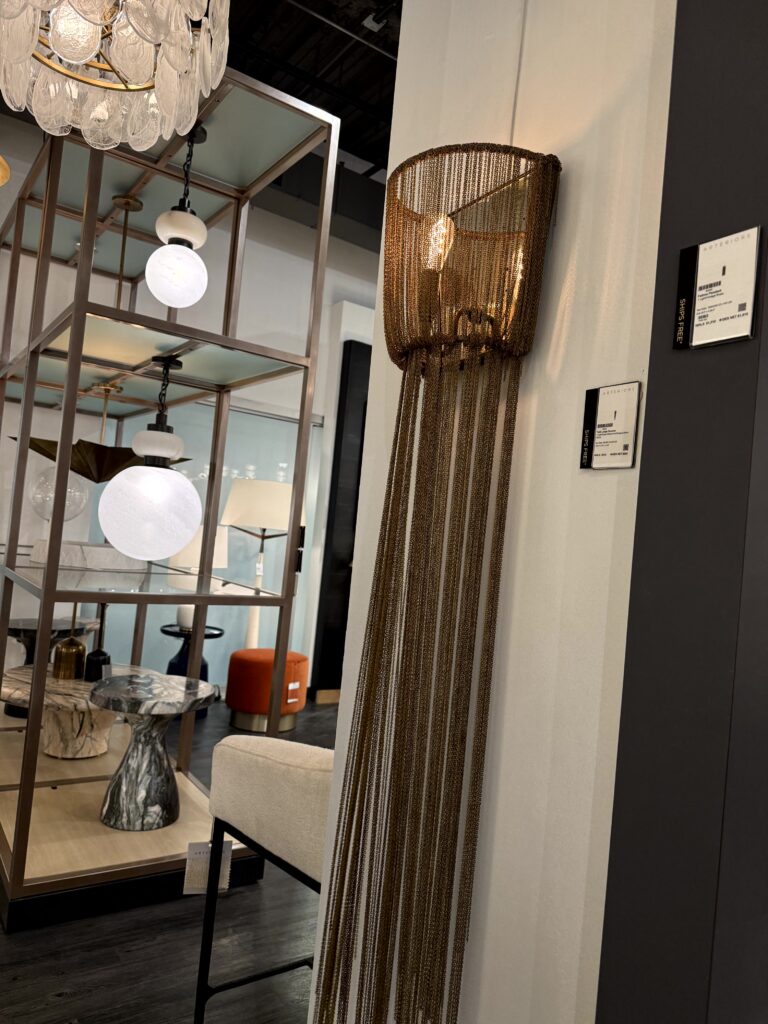
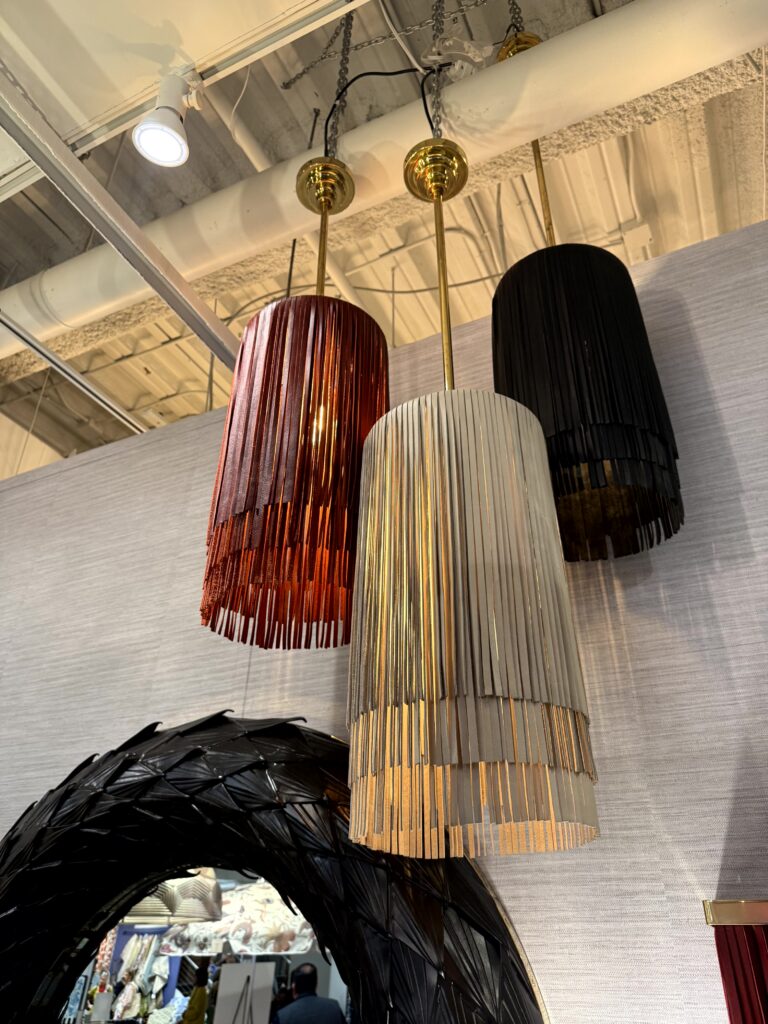
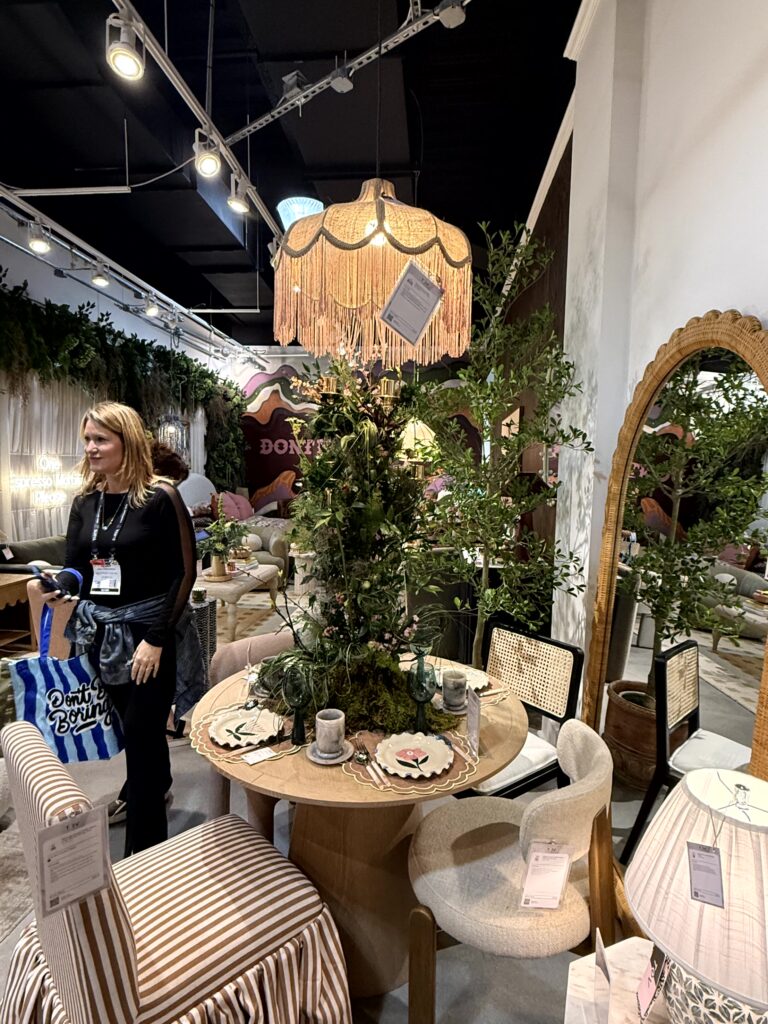
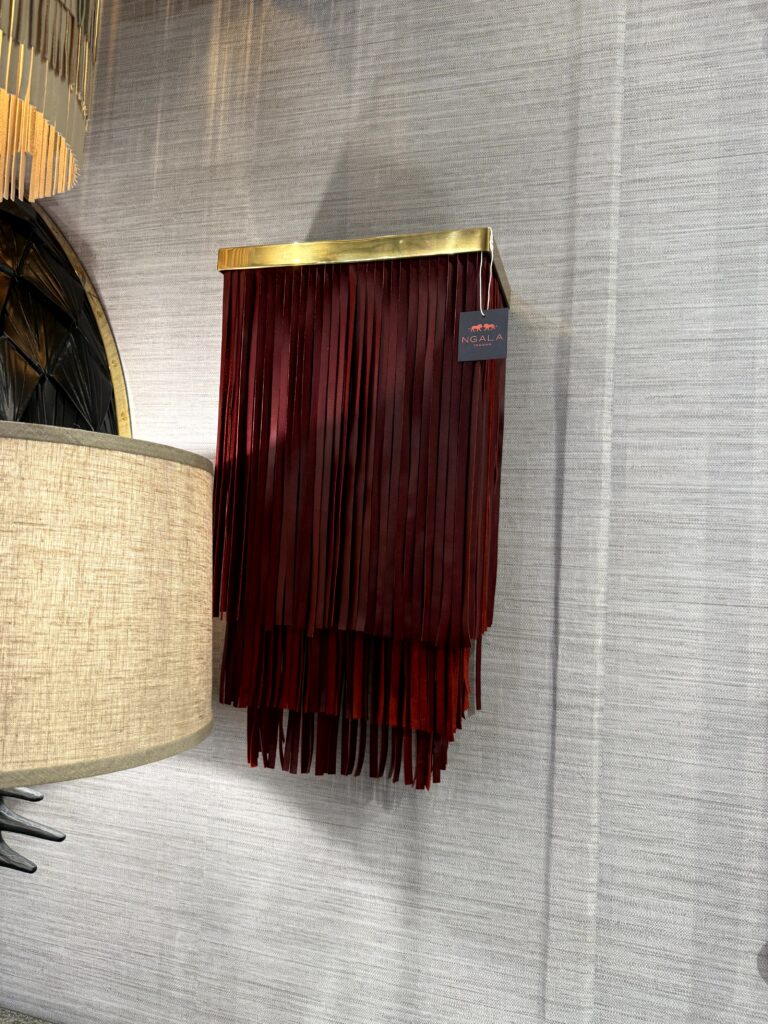
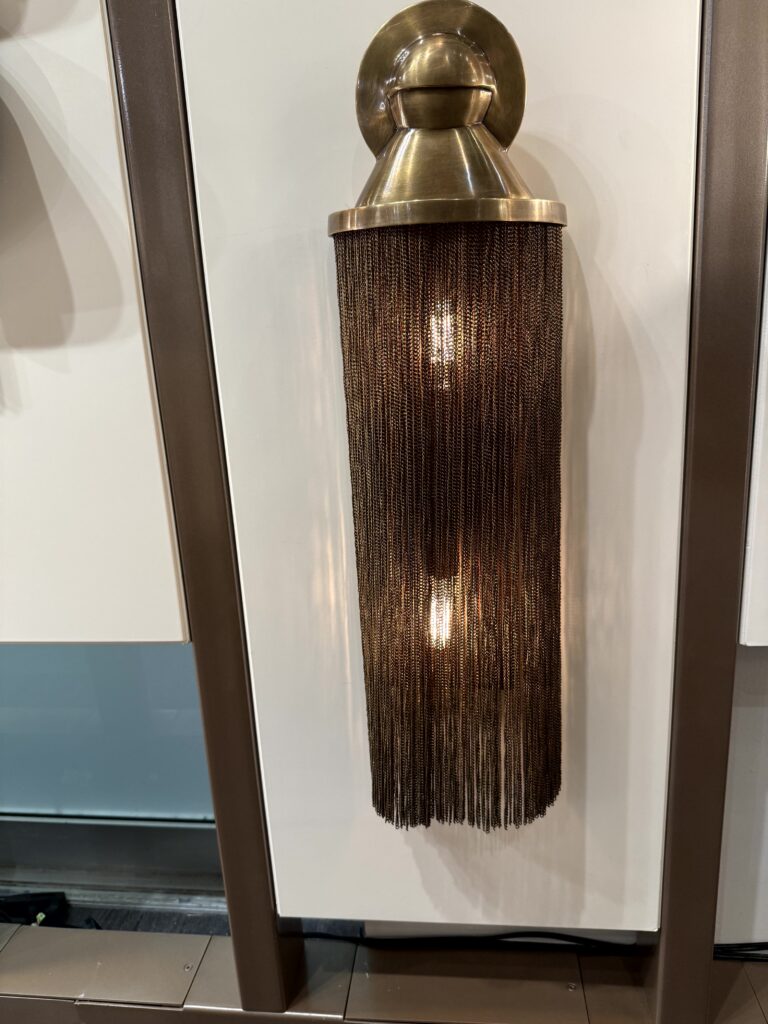
This was one of the most exciting applications. Fringe is being incorporated into pendants and lamps, diffusing light in a way that feels warm and ambient. It turns lighting into more of an experience, casting soft shadows and adding movement even when the room is still.
Textiles (Pillows + Accents):
An easy entry point for clients, fringe on pillows and throws is showing up in tonal palettes and elevated materials. It’s less about contrast and more about depth, layering textures within a cohesive color story.
Why This Trend Matters for Your Home
Fringe works because it taps into two things clients are craving right now: comfort and character. Homes are moving away from feeling overly polished and are leaning into spaces that feel collected, lived-in, and personal.
But here’s the key: this trend only works when it’s done with intention.
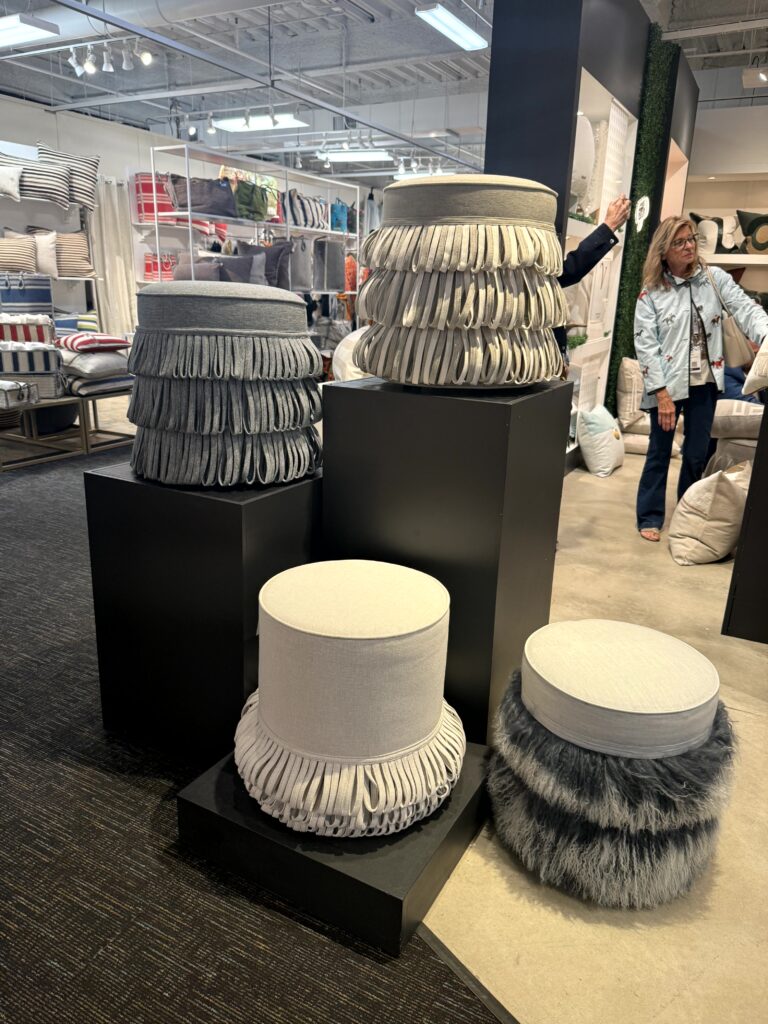
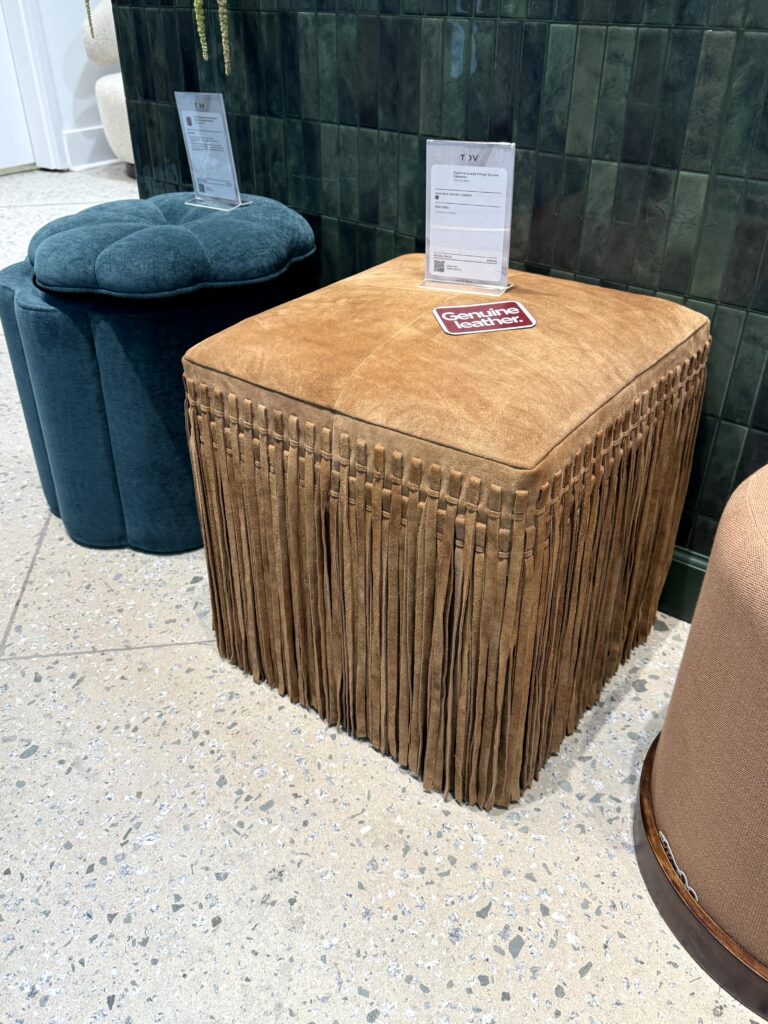
Too much fringe, or the wrong scale, can quickly feel dated or overly thematic. The difference between “on-trend” and “timeless” comes down to proportion, material selection, and placement within the overall design.
How I Would Use Fringe in a Project
When I bring a trend like this into a home, I’m not just asking “is this beautiful?” I’m asking “does this belong here?”
- In a tailored living room, I might introduce a fringe-trimmed sofa to soften architectural lines.
- In a more eclectic space, I’d layer fringe through pillows or a statement chair to build depth without overwhelming the room.
- For a subtle moment, fringe lighting can add just enough interest without competing with other focal points.
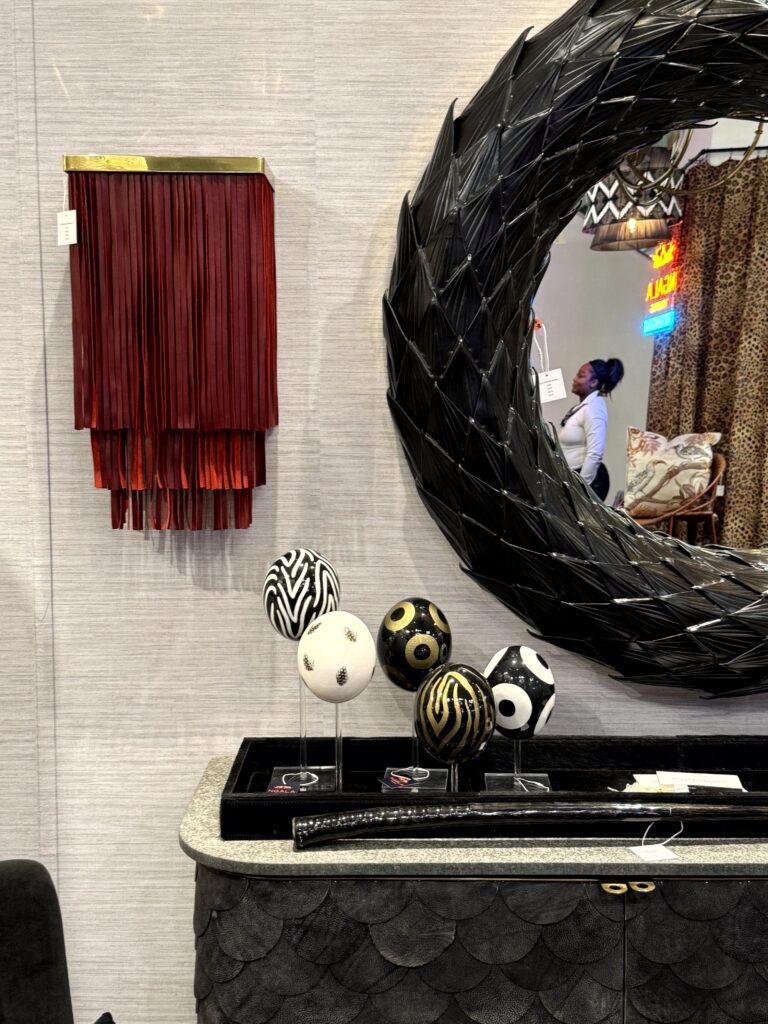
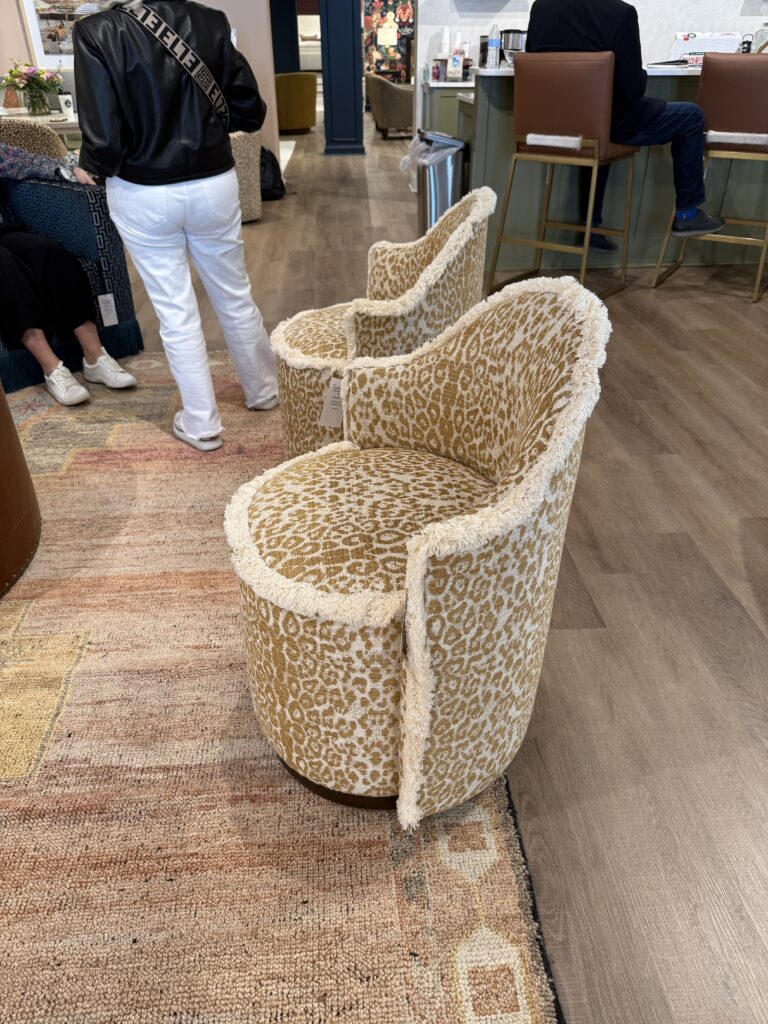
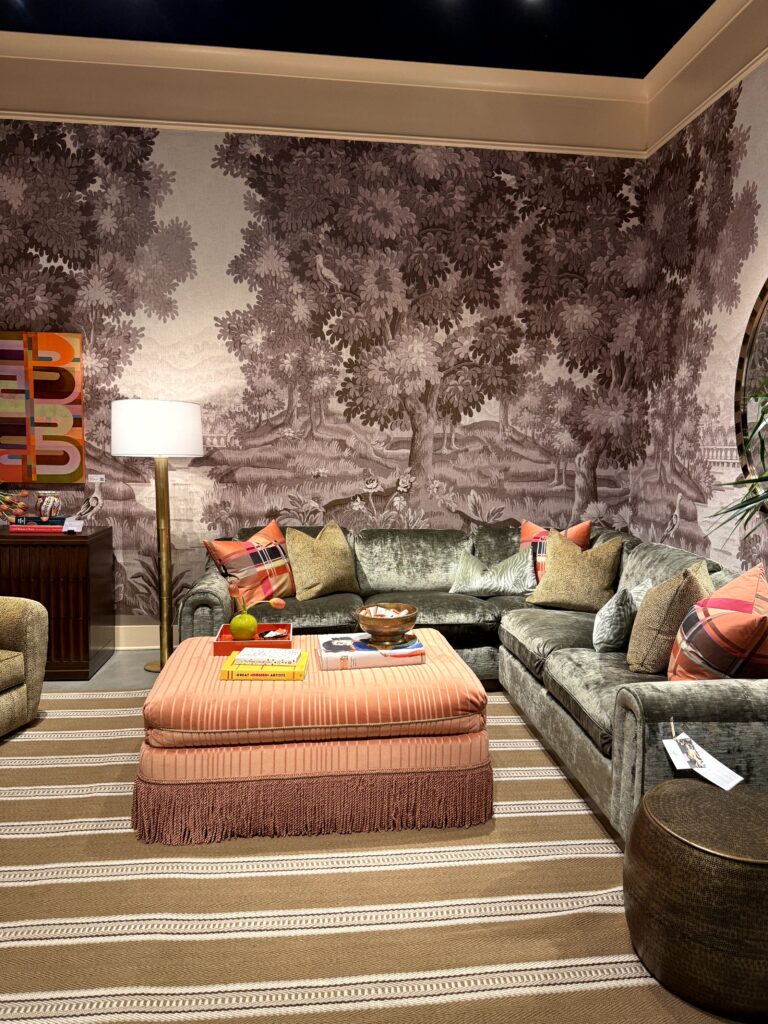
It’s always about balance, pairing movement with structure and softness with clean lines.
The Takeaway
Fringe is no longer a throwback trend; it’s a refined design tool. When used correctly, it adds a layer of richness that you can’t achieve with flat surfaces alone.
And this is exactly why staying ahead of trends (and knowing how to apply them) is so valuable. Anyone can spot a trend at market. The real value comes from knowing how to translate it into a space in a way that feels elevated, cohesive, and uniquely yours.
If you’re looking to incorporate trends like this without the risk of them feeling short-lived, that’s where thoughtful design makes all the difference.
Interested in bringing fringe into your own home, but want some help? Set up a Discovery Call with Lindsey!