

One of the most common questions homeowners ask is, “What is my interior design style?”
The answer isn’t always simple, and that’s a good thing. Most homes don’t fit perfectly into one design category. You might love the warmth of traditional interiors, the clean lines of modern design, and the natural textures of Scandinavian spaces.
We use interior design styles as a starting point, not a rulebook. Understanding the most popular design styles can help you identify what you love and communicate your vision more clearly.
1. Modern Interior Design
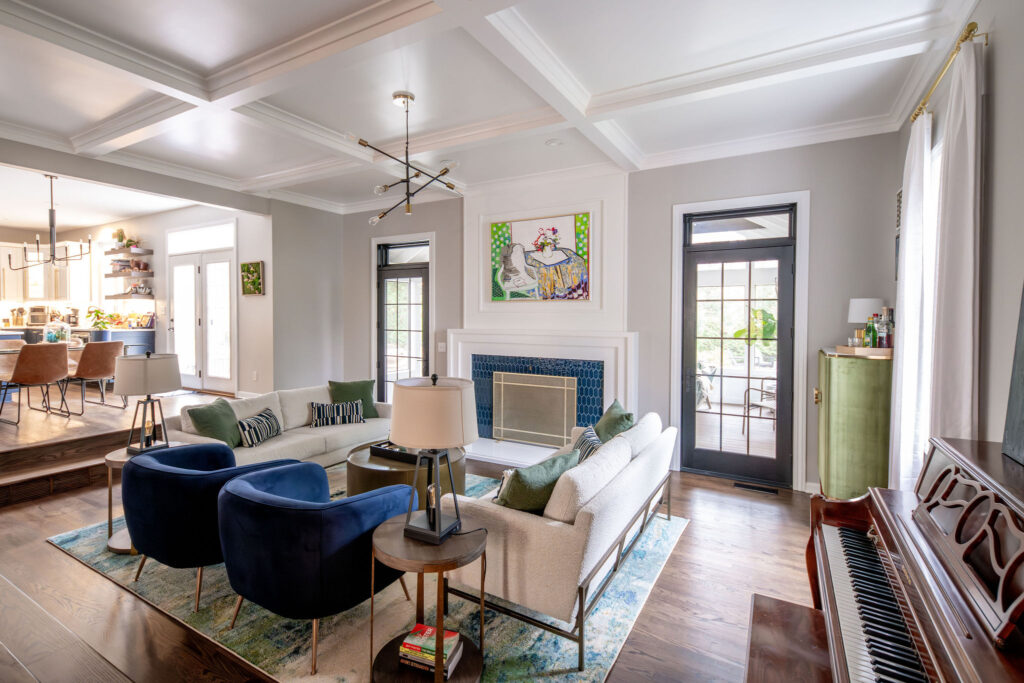
Modern design focuses on clean lines, functionality, open spaces, and intentional simplicity. Natural wood, glass, steel, stone, and neutral colors are commonly paired with streamlined furniture and minimal décor.
Despite its reputation, modern interior design doesn’t have to feel cold. Warm woods, layered textures, and thoughtful lighting can create a modern home that feels sophisticated and inviting.
2. Contemporary Interior Design
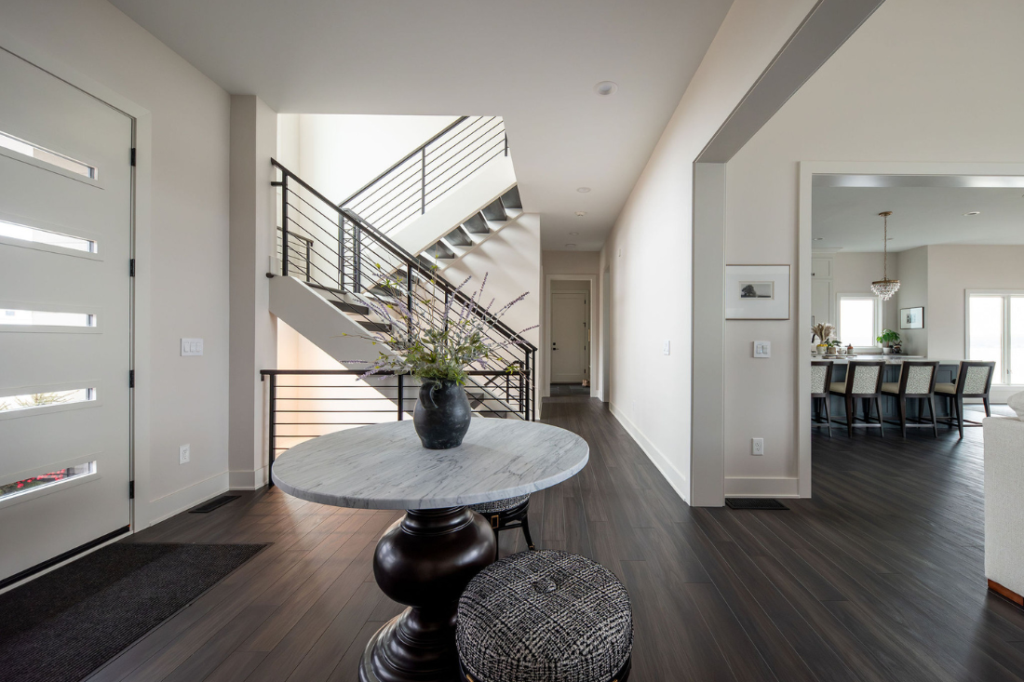
Contemporary design reflects what feels fresh and relevant today. Think organic shapes, sculptural furniture, warm neutrals, natural stone, statement lighting, and layered textures.
While contemporary interiors may incorporate current trends, the goal is to balance them with timeless elements so the home still feels beautiful years from now.
3. Traditional Interior Design
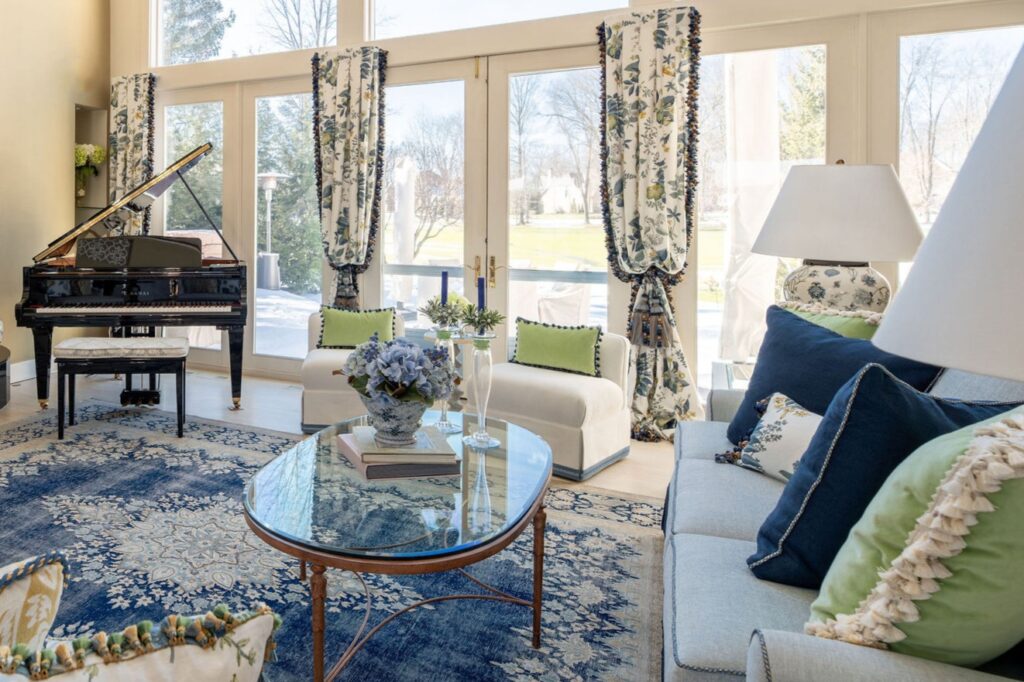
Traditional design celebrates classic architecture, craftsmanship, symmetry, and timeless details. Crown molding, millwork, rich woods, tailored upholstery, antique-inspired finishes, and elegant lighting are common features.
Today’s traditional interiors often feel lighter and more relaxed, combining classic elements with updated furnishings and finishes.
4. Transitional Interior Design
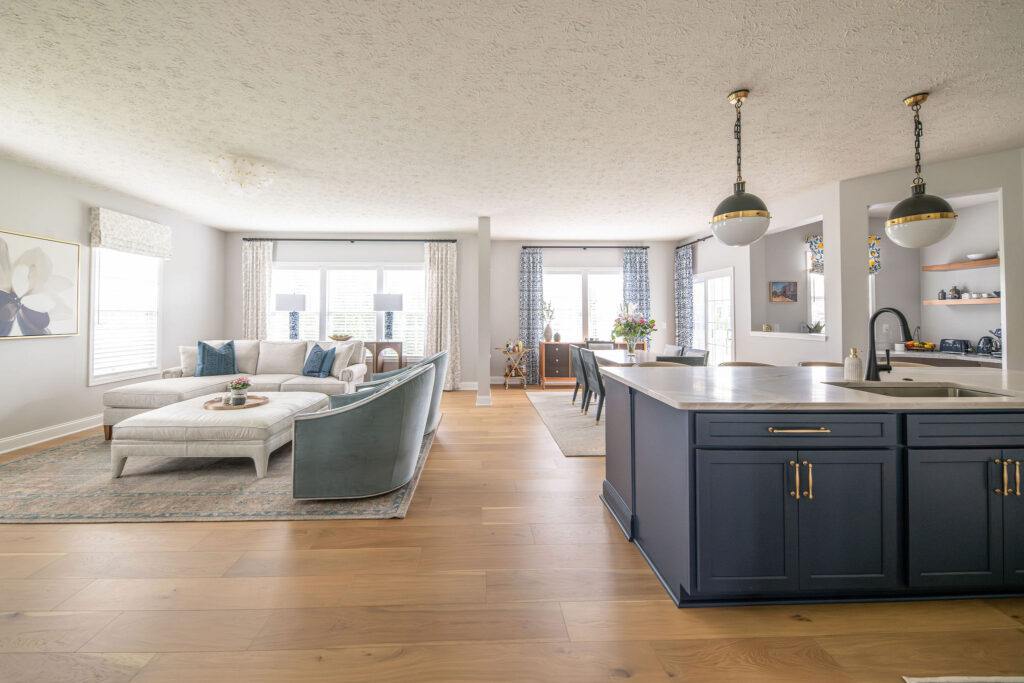
Transitional design blends the best of traditional and contemporary interior design. Classic architectural details may be paired with clean-lined furniture, modern lighting, neutral colors, and understated accessories.
Because it balances old and new, transitional design is an excellent choice for homeowners who want their space to feel polished, comfortable, and timeless without being overly traditional or trendy.
5. Scandinavian Interior Design
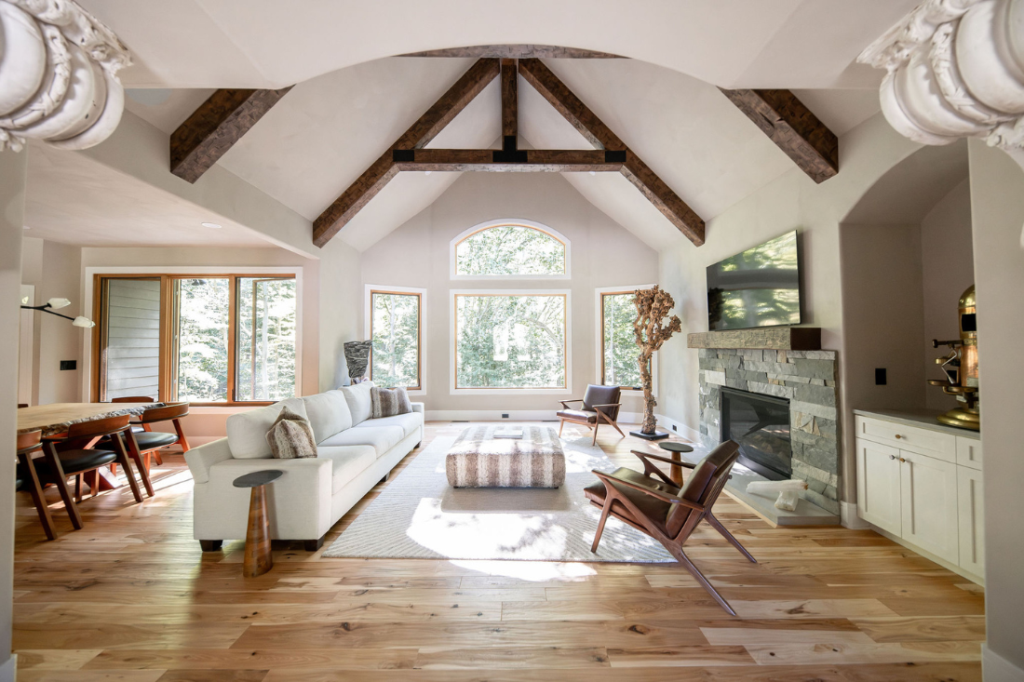
Scandinavian design is centered around simplicity, functionality, natural light, and comfort. Light woods, warm whites, soft textiles, clean-lined furniture, and natural materials create spaces that feel peaceful and welcoming.
Rather than feeling stark or overly minimal, Scandinavian interiors prioritize warmth and livability.
6. Mid-Century Modern Design
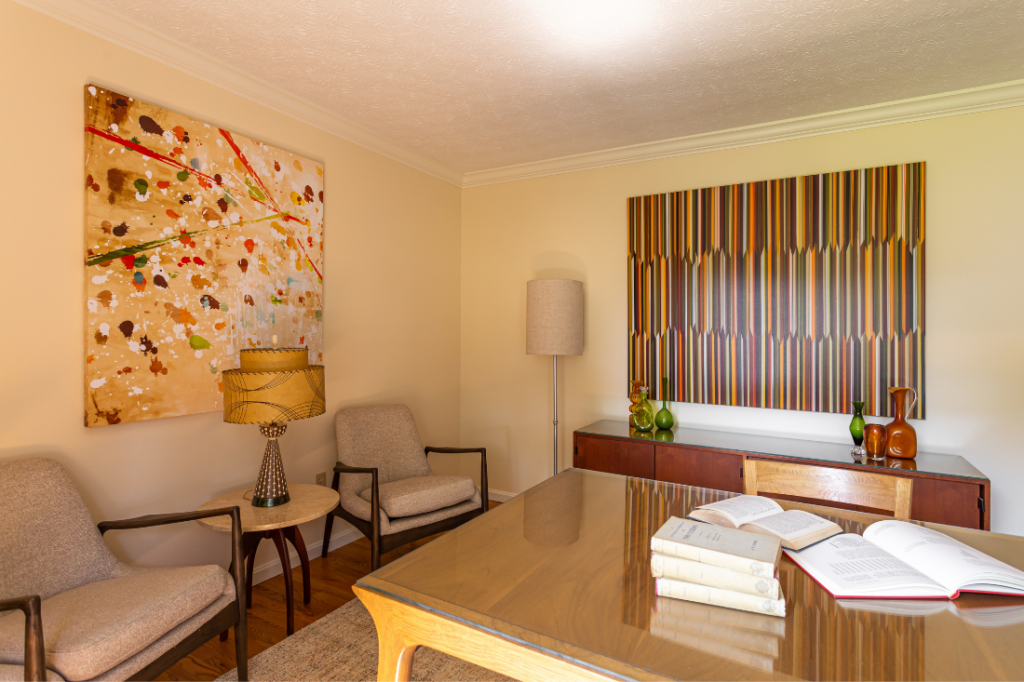
Mid-Century Modern design is known for its clean lines, organic curves, tapered furniture legs, warm woods, and connection to nature.
Walnut and teak, sculptural lighting, open layouts, and earthy accent colors give this style its recognizable personality. Even a few Mid-Century pieces can add character to an otherwise contemporary or transitional home.
7. Industrial Interior Design
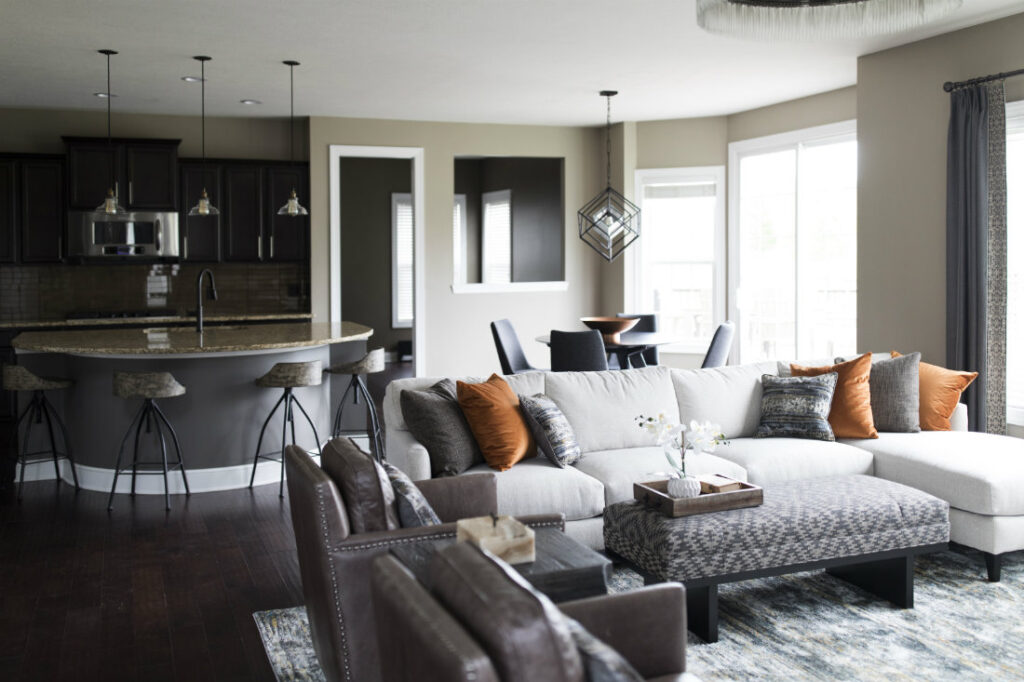
Industrial design celebrates raw materials and architectural elements such as exposed brick, steel, concrete, reclaimed wood, and black metal.
While the style can feel bold, incorporating comfortable upholstery, rugs, natural wood, and layered textiles keeps industrial interiors warm and livable.
8. Eclectic Interior Design
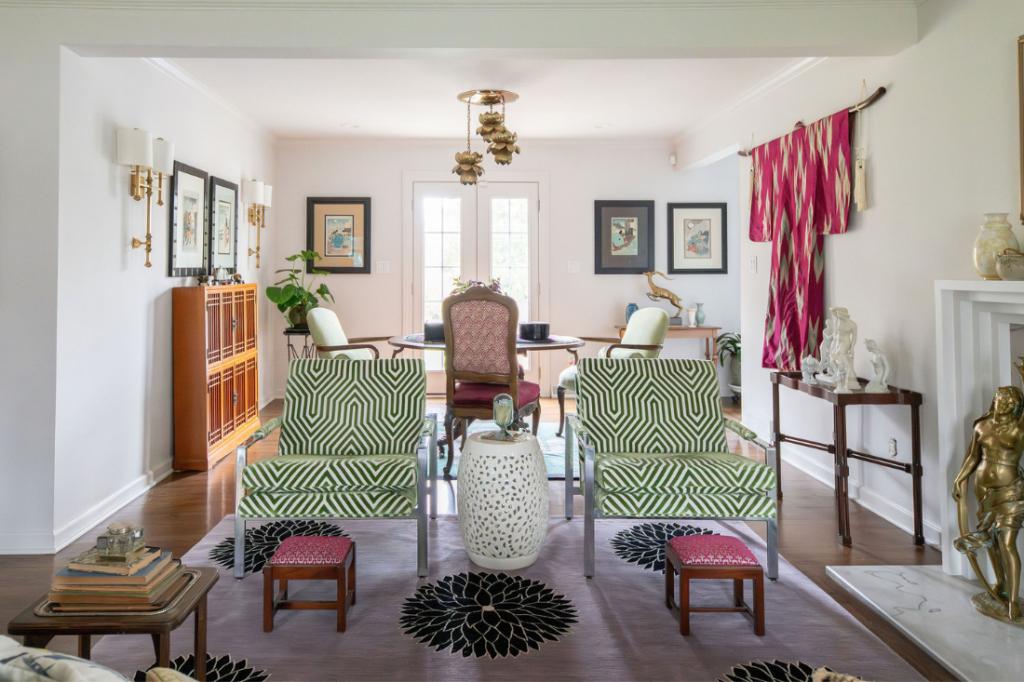
Eclectic design is all about creating a home that feels collected, personal, and layered. Vintage pieces, contemporary furniture, meaningful artwork, heirlooms, and different materials can all work together when thoughtfully curated.
The key is balance. Successful eclectic interiors still rely on consistent colors, scale, proportion, and repetition to create cohesion.
You Don’t Have to Choose Just One Interior Design Style
After exploring these popular interior design styles, you may realize you’re drawn to more than one—and that’s completely normal.
We don’t believe your home needs to fit into a single design category. Instead, we learn what you love, how you live, and what you want your home to feel like. Then, we thoughtfully blend those influences into a space that feels cohesive, functional, timeless, and uniquely yours.
Not sure what your interior design style is? You don’t have to figure it out before working with an interior designer. Our job is to help uncover your preferences, refine your vision, and create a home that feels like you.
Ready to Transform Your Home? Set up a Discovery Call with Lindsey!

My Assignments Pro
| 2 October 2026This article offers clear explanations and useful insights that make the topic easier to understand. I particularly enjoyed the well-organized information and practical approach throughout the post. Students facing challenging concepts may find economics assignment help useful for additional academic guidance. Overall, it is an informative, engaging, and reader-friendly resource with genuine value for learners.