
When people hear the phrase aging in place, they often picture sterile grab bars, hospital-like bathrooms, and homes that prioritize function over beauty. The reality couldn’t be further from the truth.
Today’s homes can be thoughtfully designed to support you for decades while maintaining the elegance, warmth, and personality you love. In fact, many aging-in-place features are simply examples of great design. They make your home more comfortable, more functional, and more enjoyable for everyone, regardless of age.
Whether you’re building a new home, planning a renovation, or updating individual rooms, making intentional design decisions today can help you stay safely and comfortably in your home tomorrow.
What Does Aging in Place Mean?
Aging in place means creating a home that allows you to live independently, safely, and comfortably as your needs evolve over time. Rather than waiting until mobility becomes a concern, proactive planning allows your home to adapt with you.
The goal isn’t to make your home feel like a medical facility. It’s to create spaces that are beautiful, accessible, and functional for every stage of life.
Many of these design choices also benefit young families, guests, and anyone recovering from an injury, making them smart investments regardless of your age.
Start with a Functional Floor Plan
The best aging-in-place design begins long before finishes and furniture are selected.
One of the most valuable investments is creating a floor plan that reduces unnecessary obstacles and improves everyday movement throughout the home.
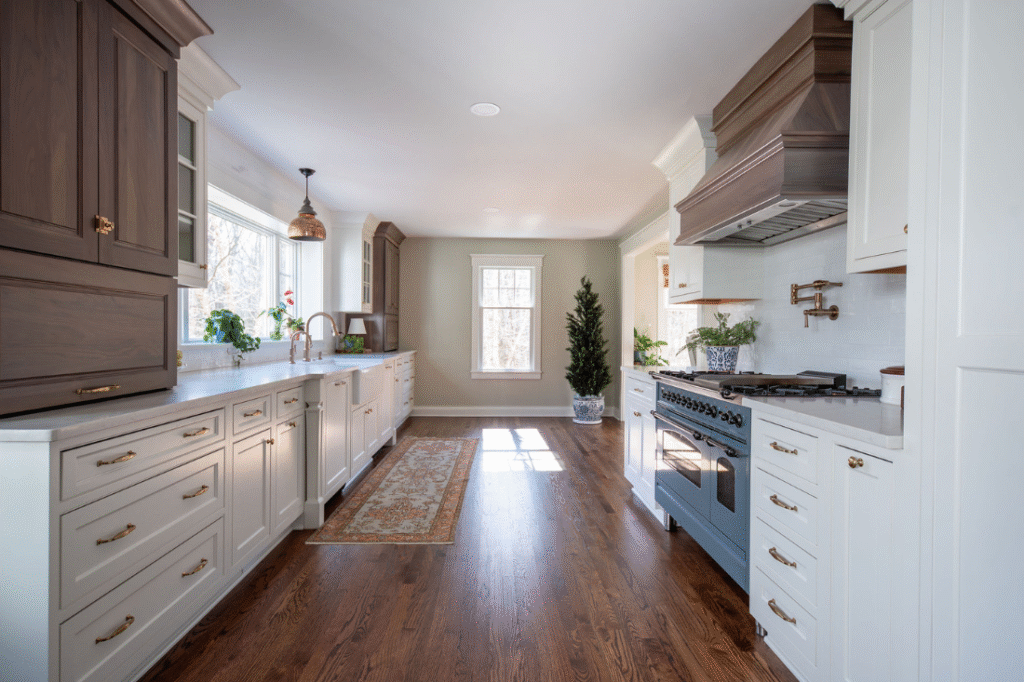
Consider features such as:
- Wider hallways and doorways that comfortably accommodate walkers or wheelchairs if ever needed.
- Open-concept living spaces that eliminate tight corners and improve circulation.
- Minimal level changes between rooms.
- Main-floor living with a primary bedroom, bathroom, laundry room, and kitchen all on one level whenever possible.
Even if these features aren’t necessary today, they provide flexibility for the future while making daily life easier right now.
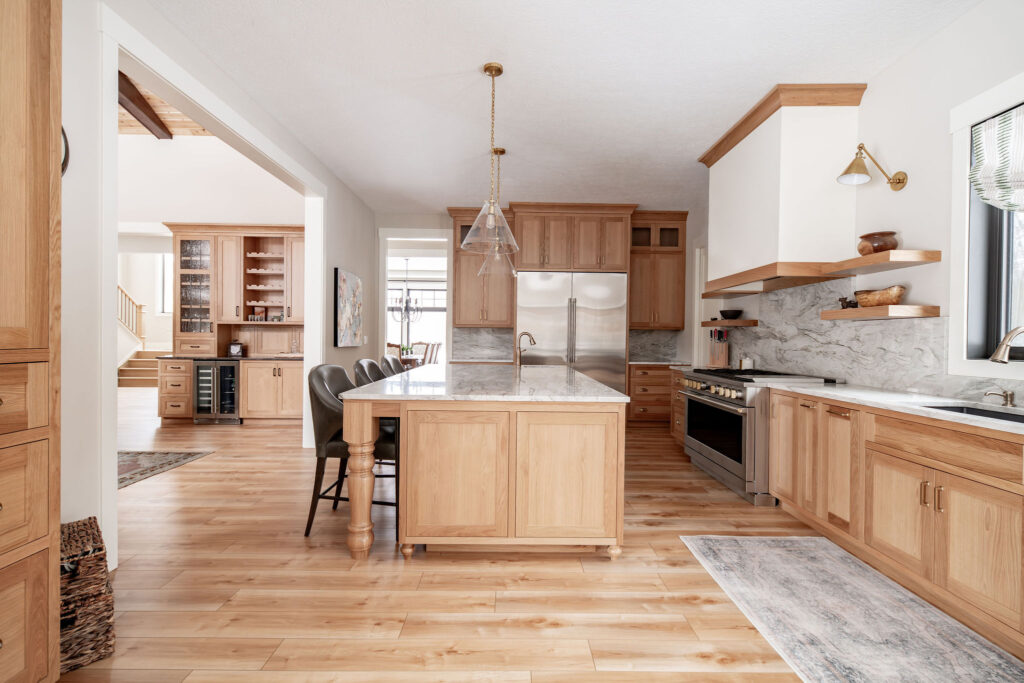
Create a Kitchen That Works for You
The kitchen is one of the hardest-working spaces in any home, making thoughtful planning especially important.
Rather than designing solely for appearance, focus on creating a space that minimizes bending, reaching, and lifting.
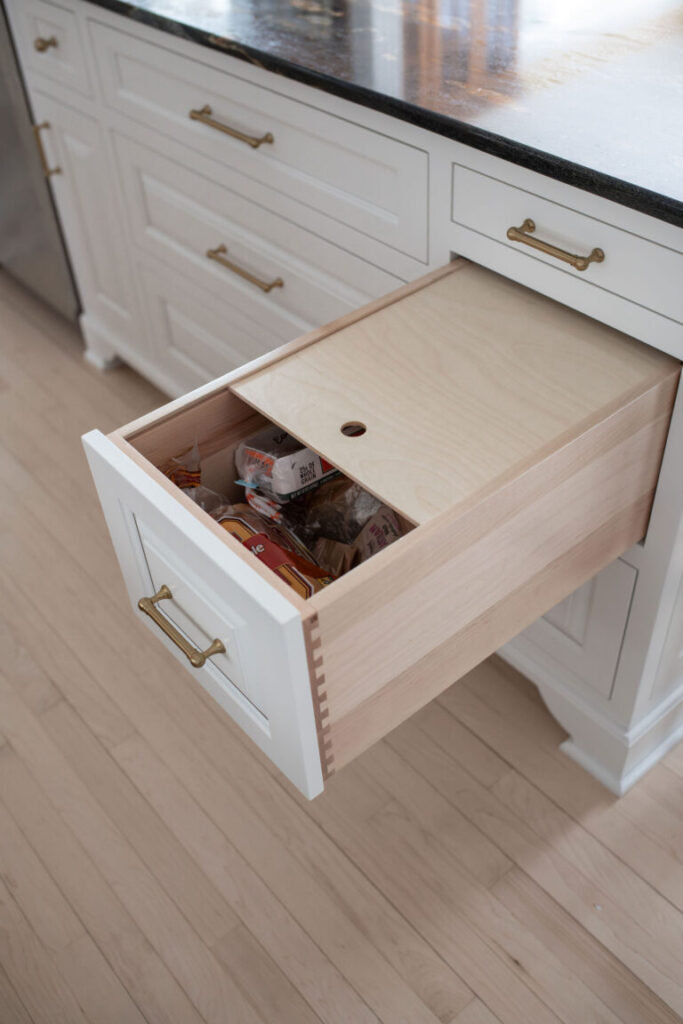
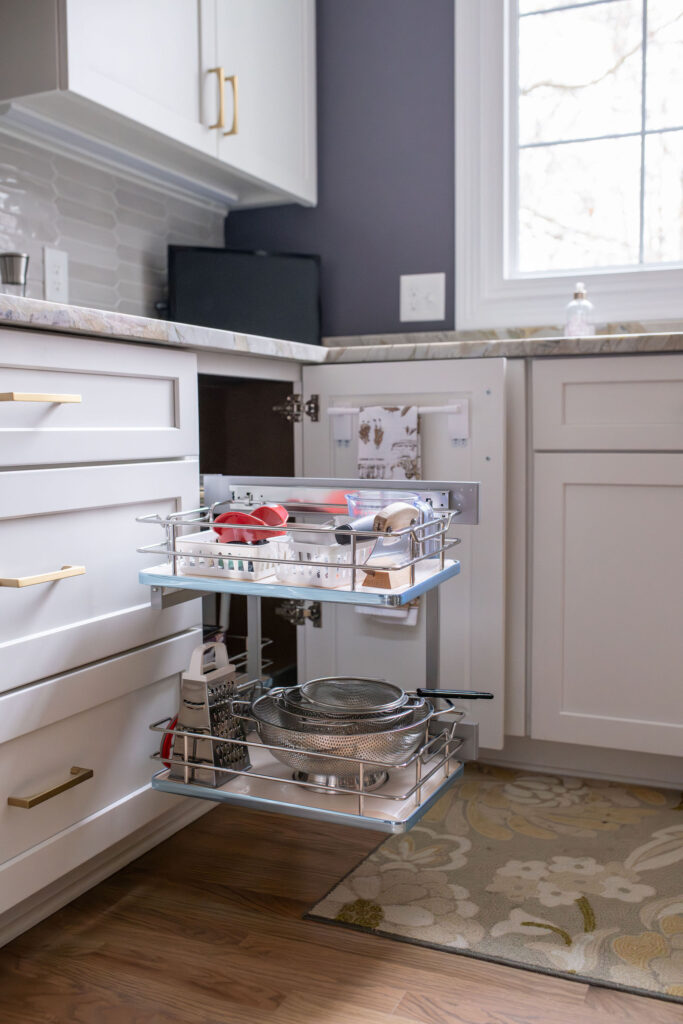
Helpful features include:
- Large pull-out pantry shelves
- Deep drawers instead of lower cabinets
- Pull-out trash and recycling bins
- Drawer-style microwave placement
- Soft-close cabinetry
- Easy-to-grip hardware
- Multiple layers of lighting for visibility
- Ample countertop workspace
Counter-height seating also provides a comfortable place to prepare meals while seated if needed in the future.
A well-designed kitchen feels luxurious today while quietly supporting long-term independence.
Design a Safer, Spa-Like Bathroom
Bathrooms are one of the most common locations for household falls, making them one of the most important spaces to design intentionally.
Fortunately, today’s bathroom products blend safety and luxury seamlessly.
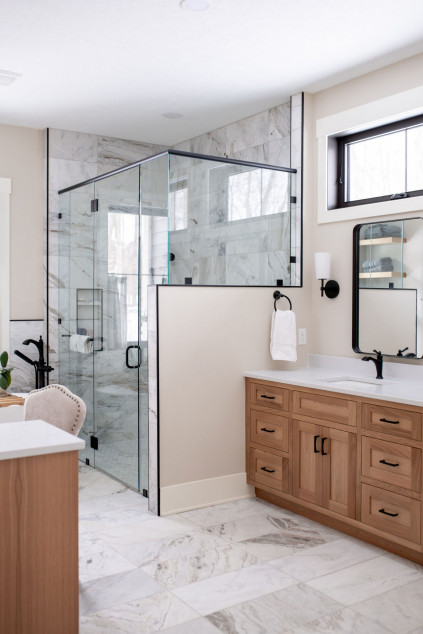
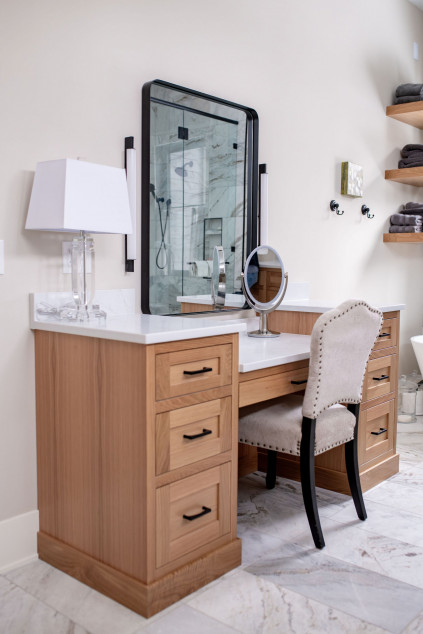
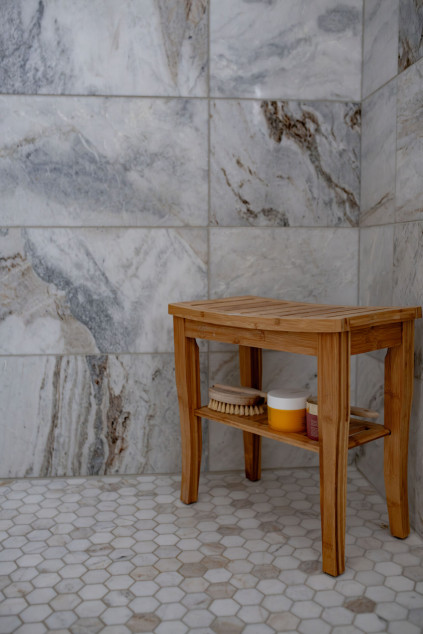
Some of our favorite aging-in-place features include:
Curbless Showers
A zero-threshold shower creates a clean, modern aesthetic while eliminating a tripping hazard. It also allows easy access if mobility changes later.
Built-In Shower Benches
Integrated benches provide comfort without disrupting the overall design. They can also become a beautiful architectural feature when paired with elegant tile selections.
Handheld Showerheads
Mounted on adjustable slides, handheld showerheads increase flexibility and convenience for users of all ages.
Slip-Resistant Flooring
Many porcelain tiles now offer excellent slip resistance while maintaining the sophisticated appearance homeowners want.
Reinforced Walls
One of the smartest upgrades happens behind the walls.
Adding blocking during construction allows decorative grab bars to be installed later without opening walls or requiring major renovations. Even if they’re never needed, the preparation is there.
Improve Lighting Throughout the Home
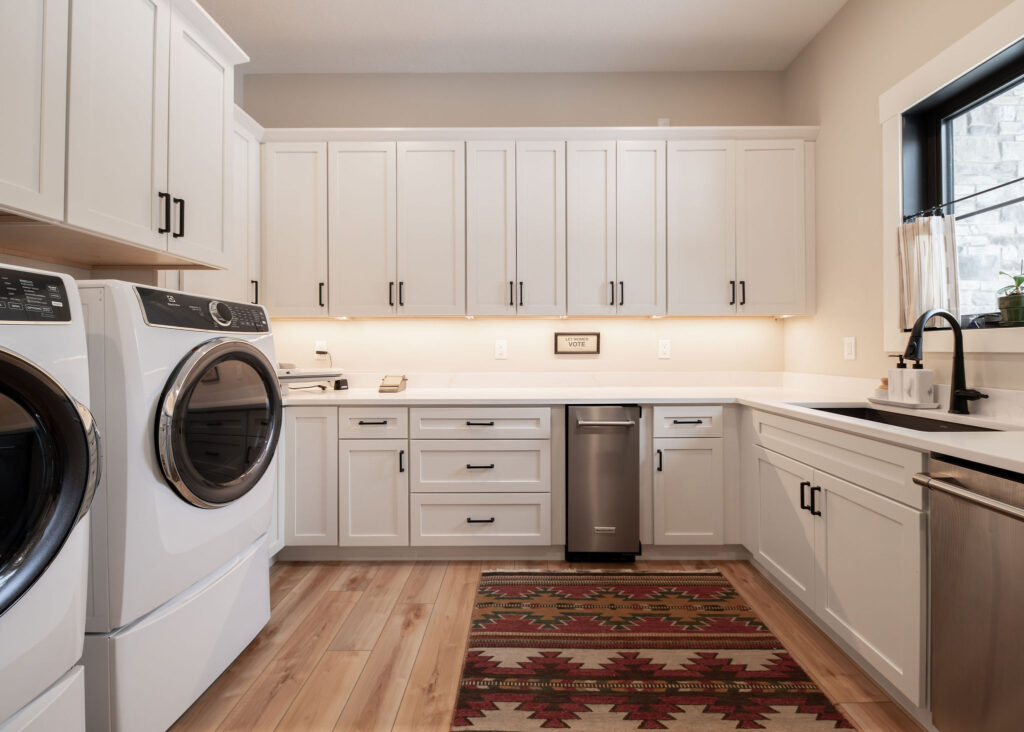
As we age, our eyes naturally require more light.
Thoughtfully layered lighting improves both safety and comfort while enhancing the overall atmosphere of your home.
We recommend incorporating:
- Under-cabinet kitchen lighting
- Stair lighting
- Night lighting in hallways and bathrooms
- Dimmer switches throughout the home
- Well-lit closets
- Larger windows whenever possible to maximize natural daylight
Good lighting doesn’t simply help you see—it makes your home feel brighter, more welcoming, and easier to navigate.
Make Everyday Storage Easier
Storage should work with you, not against you.
Frequently used items should be located between shoulder and waist height to minimize excessive bending or reaching.
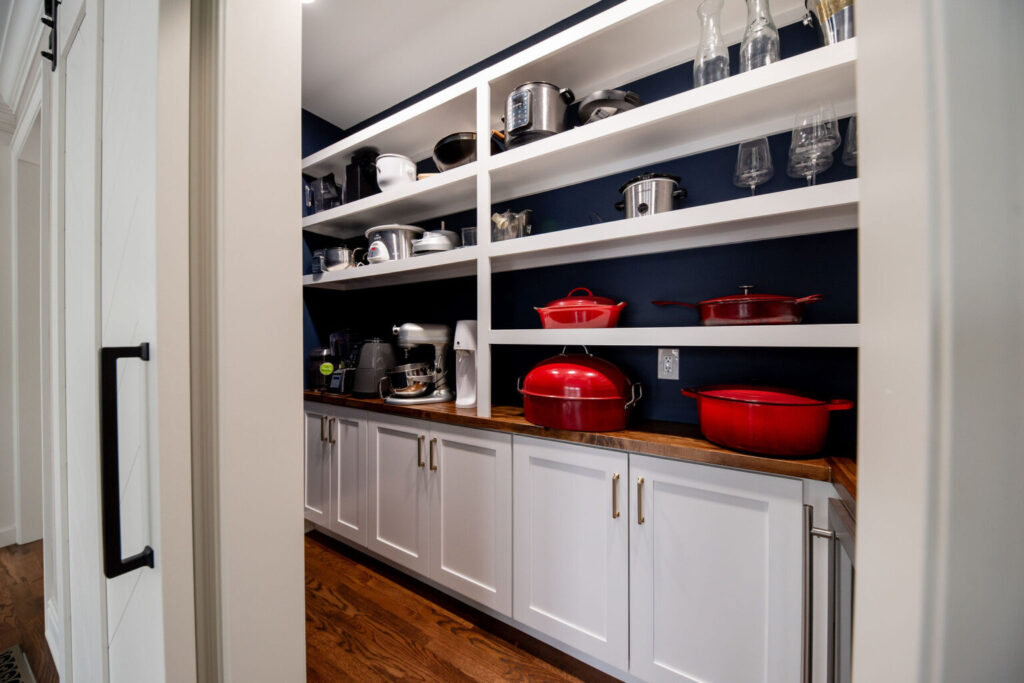
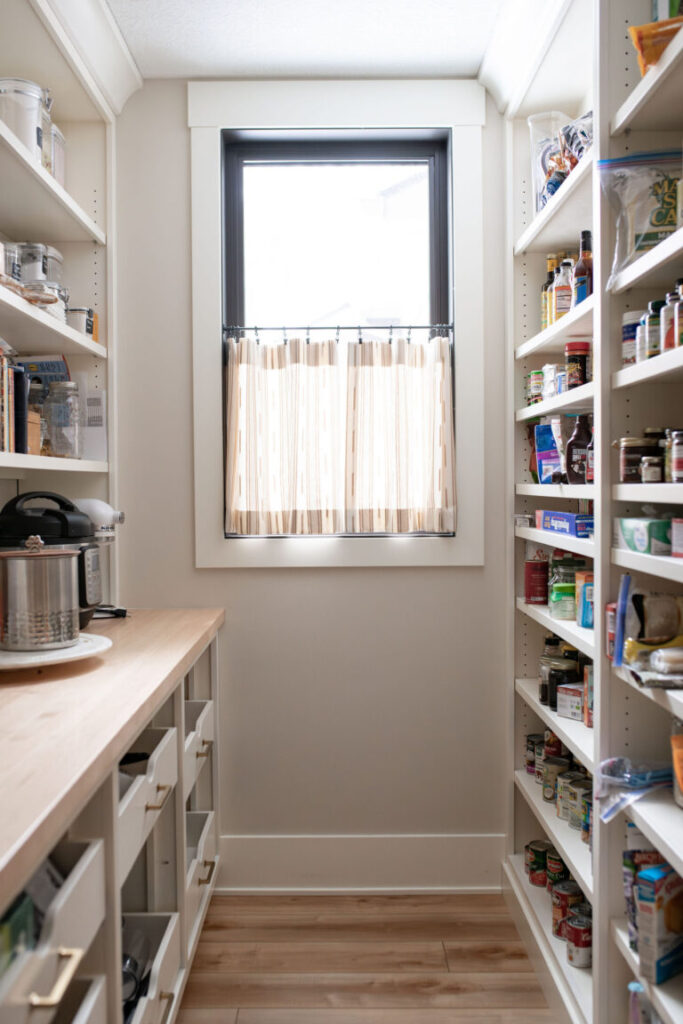
Other helpful upgrades include:
- Pull-out shelves
- Pull-down closet rods
- Drawer organizers
- Easy-access pantry systems
- Appliance garages that reduce countertop clutter
Small adjustments like these make everyday tasks significantly easier while keeping your home beautifully organized.
Choose Hardware That Is Easy to Use
Sometimes the smallest details make the biggest difference.
Lever door handles are much easier to operate than traditional round knobs, especially for anyone with arthritis or reduced grip strength.
Similarly, consider:
- Single-lever faucets
- Touchless kitchen faucets
- Larger cabinet pulls
- Rocker-style light switches
These subtle upgrades create a home that’s easier for everyone to use without changing its overall style.
Universal Design Benefits Everyone
One of the biggest misconceptions about aging-in-place design is that it’s only for older adults.
In reality, many of these features fall under the principles of universal design: creating spaces that work better for everyone.
Parents carrying children, someone recovering from surgery, guests with limited mobility, or simply anyone carrying groceries all benefit from thoughtful, accessible design.
The result is a home that’s more comfortable, more functional, and more valuable over the long term.
Planning Ahead Creates Better Design
The best time to plan for aging in place is before you need it.
By incorporating these features during a renovation or new build, you avoid costly modifications later while creating a home that supports your lifestyle for decades to come.
We believe exceptional design should be both beautiful and practical. We thoughtfully balance aesthetics with function, creating spaces that not only reflect your personal style but also evolve alongside your changing needs.
A well-designed home doesn’t just look beautiful today—it continues to serve you beautifully for years to come.
Wanting to incorporate aging in place design elements in your home? Set up a Discovery Call with Lindsey!