
One of the most valuable things an interior designer brings to a project is not just creativity, but clarity. A well-designed home should feel beautiful, functional, and intentional, but it should also feel financially organized. Budget management is one of the most overlooked benefits of hiring an interior designer, and in many cases, it is what protects a client from expensive mistakes, delays, and overwhelming decision fatigue throughout the renovation or furnishing process.
Why Budget Management Matters in Interior Design
Most homeowners begin a project with a number in mind, but very few understand how quickly costs can shift without a strategic plan in place. Renovations and furnishing projects involve hundreds of moving pieces: materials, labor, shipping, lead times, measurements, construction changes, furniture sizing, custom work, installation, and more. Without professional guidance, it becomes easy to overspend in one area while neglecting another.
An interior designer helps clients approach their investment strategically from the beginning. Instead of making emotional purchases or reactive decisions midway through a project, we create a plan that aligns the design vision with the client’s priorities and overall budget.
A well-managed budget is not about cutting corners. It is about allocating money intentionally so every dollar works harder for the project.
An Interior Designer Helps You Prioritize Your Investment
Every project has areas worth splurging on and areas where smart savings make sense. One of the biggest advantages of working with an interior designer is having someone guide those decisions with experience and perspective.
For example, a client may initially want to invest heavily in trendy decorative pieces but overlook functional elements like quality cabinetry, durable countertops, or properly scaled furniture. An experienced designer helps redirect the budget toward foundational investments that improve the long-term functionality and value of the home.
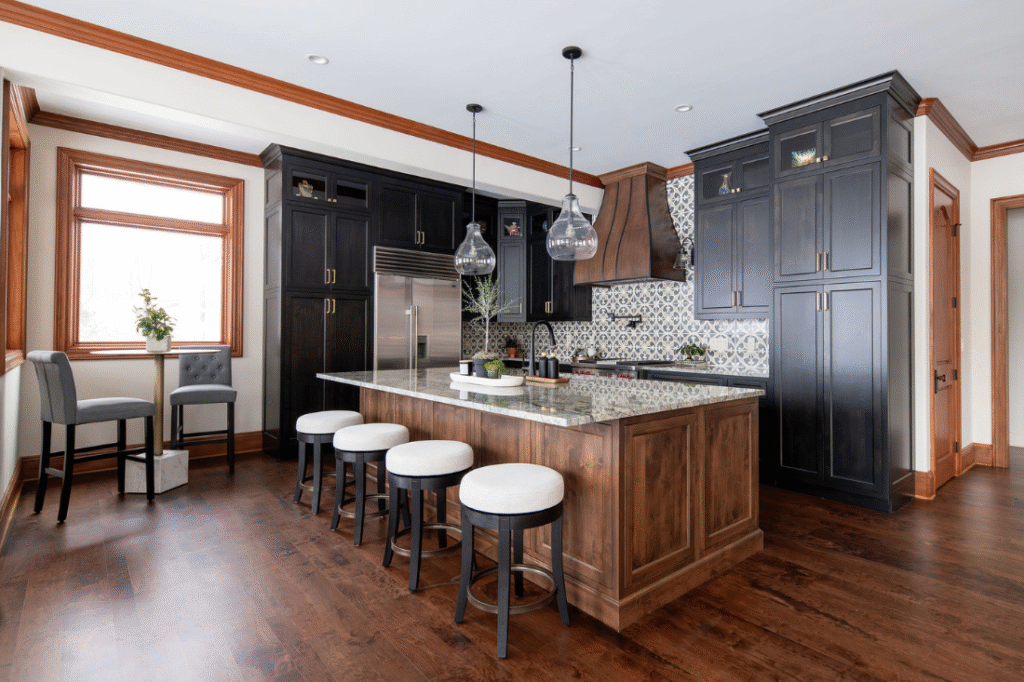
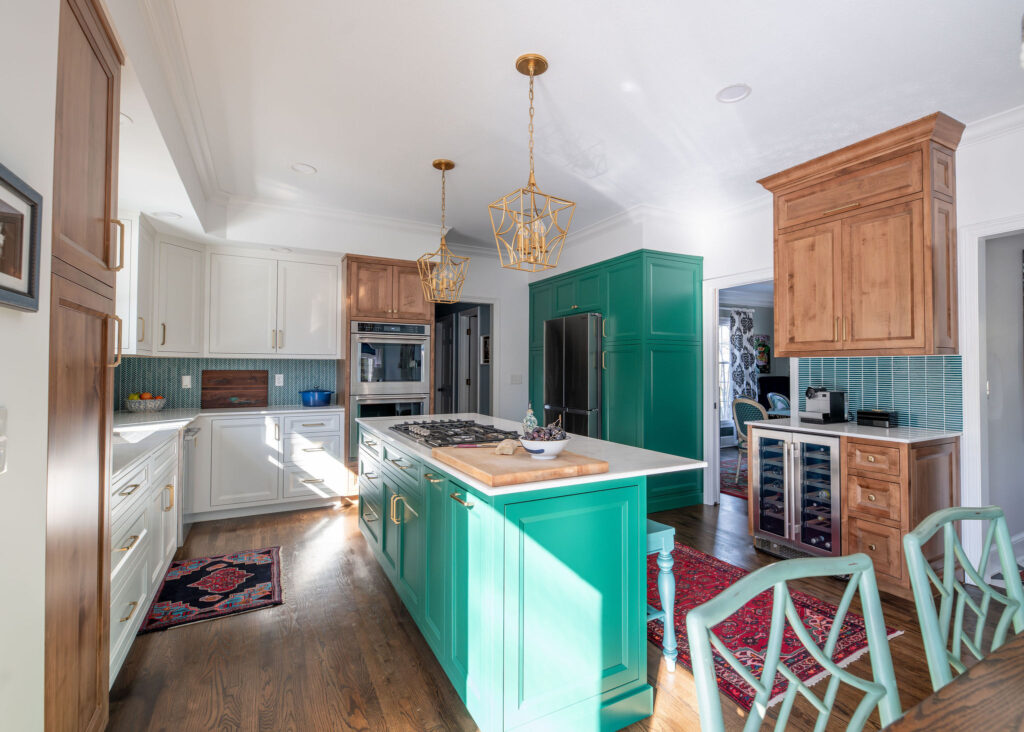
In a kitchen renovation, this may look like:
- Investing in custom cabinetry that maximizes storage
- Selecting durable countertop materials that withstand everyday wear
- Prioritizing quality plumbing fixtures and hardware
- Saving strategically on decorative accessories that can evolve over time
Without guidance, clients often spend too much too early, leaving little room in the budget for the details that truly elevate the final result.
Avoiding Costly Mistakes
One wrong decision in a renovation can create a domino effect of unexpected expenses. Interior designers help clients avoid these costly and preventable mistakes by planning thoroughly before purchases or construction begin.
Some common mistakes homeowners make without a designer include:
- Ordering furniture that is too large or too small for the room
- Selecting materials that are not durable for their lifestyle
- Purchasing items that clash once installed together
- Forgetting to account for shipping, storage, or installation costs
- Changing layouts mid-construction
- Choosing trendy finishes that quickly feel dated
- Overlooking proper lighting placement and electrical planning
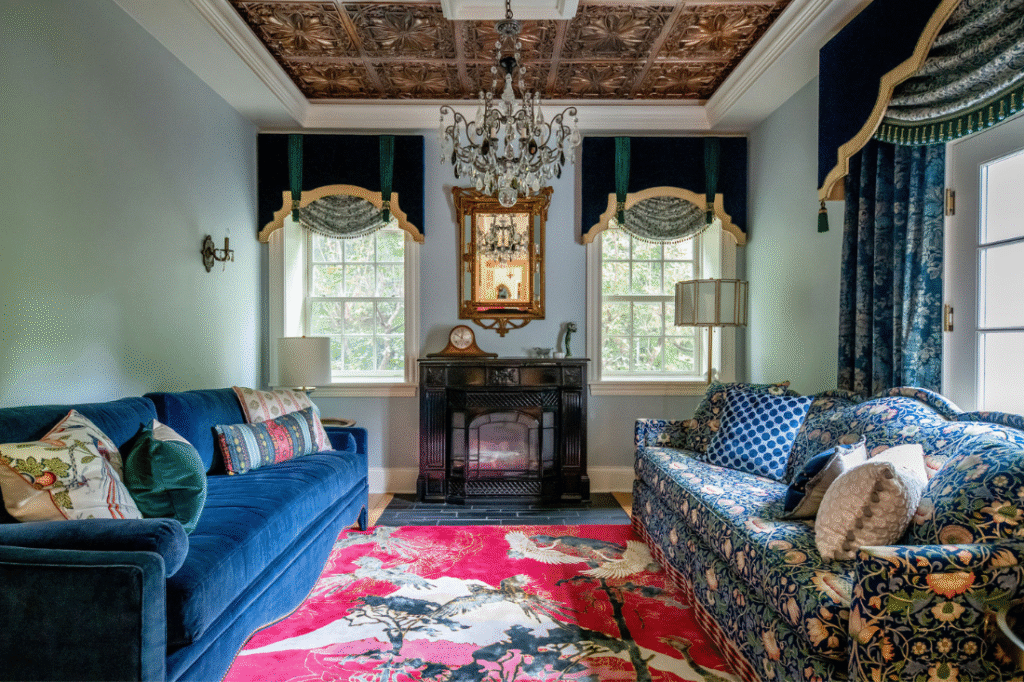
For example, imagine ordering a custom sofa without confirming scale, fabric durability, or traffic flow within the room. Once delivered, the piece may overwhelm the space or fail to function for everyday living. Replacing or modifying custom furniture can become extremely expensive.
An interior designer prevents these issues by planning holistically. We consider proportions, functionality, construction details, timelines, and long-term use before decisions are finalized.
Designers Help Keep Projects on Track
Budget management is closely tied to project management. Delays, rushed decisions, and last-minute changes often create unnecessary expenses.
Interior designers keep projects moving efficiently by:
- Creating organized selections and specifications early
- Coordinating timelines with contractors and vendors
- Tracking lead times and deliveries
- Managing orders and installations
- Anticipating potential issues before they become expensive problems
- Helping clients make confident decisions faster
When projects lack organization, costs can escalate quickly. A delayed furniture order may result in expensive rush shipping. A missed construction detail may require demolition and rework. A forgotten measurement may force a product reorder.
Professional planning minimizes these disruptions and creates a smoother experience for the client.
Budget Transparency Builds Trust
A strong designer-client relationship is built on communication and trust. Budget conversations should never feel intimidating or unclear. A professional interior designer creates transparency throughout the process so clients understand where their investment is going and why.
This may include:
- Providing realistic pricing expectations upfront
- Presenting options at different investment levels
- Tracking selections and allowances carefully
- Communicating potential changes early
- Helping clients understand long-term value versus short-term savings
Clients often feel more confident making decisions when they understand how each investment contributes to the overall success of the project.
For instance, spending more on performance fabrics for a family room may initially feel like a larger investment, but it can save clients thousands over time in replacement costs, cleaning, and wear. A designer helps clients evaluate these decisions strategically instead of emotionally.
Interior Design Is an Investment in Expertise
Many people assume hiring an interior designer adds to the cost of a project. In reality, a designer often helps clients save money by preventing expensive mistakes, improving efficiency, and creating a clear financial roadmap from the beginning.
Interior design is not just about making a home look beautiful. It is about managing a complex process with intention, organization, and expertise.
A thoughtfully managed budget allows clients to feel confident throughout their project rather than overwhelmed by constant decisions and unexpected costs. It creates a more enjoyable experience, a more cohesive final result, and a home that feels both elevated and functional for years to come.
When clients hire an interior designer, they are not simply paying for selections or aesthetics. They are investing in strategy, problem-solving, professional guidance, and peace of mind.

Want a designers help on your next project? Set up a Discovery Call with Lindsey!